Buy loan-online.eu ?
We are moving the project
loan-online.eu .
Are you interested in purchasing the domain
loan-online.eu ?
domain@kv-gmbh.de · 0541-91531010
Buy loan-online.eu ?
Why are people destructive?
People can be destructive for a variety of reasons, including anger, frustration, a desire for power or control, mental health issues, or a lack of empathy. Destructive behavior can also be a result of learned behavior or environmental influences. Additionally, some individuals may engage in destructive actions as a way to cope with their own emotional pain or trauma. Ultimately, destructive behavior is complex and can stem from a combination of internal and external factors. **
Why is everything destructive?
Everything is not inherently destructive, but there are destructive forces and actions in the world due to a variety of reasons. Some destructive forces are natural, such as earthquakes and hurricanes, while others are caused by human actions, such as pollution and war. Destructive behavior can also stem from a lack of understanding, empathy, or consideration for others. It is important to recognize and address these destructive forces in order to work towards a more harmonious and sustainable world. **
Similar search terms for Non-destructive
Top-Angebote
Products related to Non-destructive:
-
Perfect Picks Market Toy Cash Register For Kids, Checkout Scanner, Play Money Food Set, , Credit Card Machine, Fruit Card Reader Toy Cash Register For Kids, Checkout Scanner, Play Money Food Set, , Credit Card Machine, Fruit Card ReaderEngage Your Child with Playful Learning The 33PCS Toy Cash Register for Kids with Checkout Scanner is a perfect way to help children develop essential skills while having fun! Designed for little ones, this interactive toy includes a realistic...59,97 $*Shipping: 0,00 $Secure redirect to the provider
-
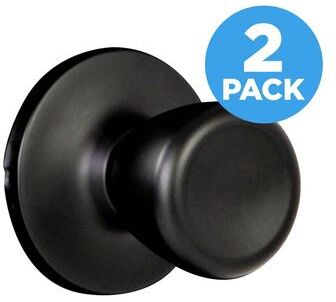
Design House Matte Black Traditional Tulip Dummy Door Knob, Non-Locking Closet and French Door Application, 2-PackThe Terrace Dummy Door Knob 2-Pack is ideal for paired door applications including French doors and double closets that do not require a latch or lock. Each knob mounts flush to the door surface and provides a decorative, finished look.26,55 $*Shipping: 0,00 $Secure redirect to the provider
-
Design House Matte Black Traditional Tulip Dummy Door Knob, Non-Locking Closet and French Door Application, 6-PackThe Terrace Dummy Door Knob 6-Pack is ideal for whole-home updates or multi-room projects including French doors and double closets that do not require a latch or lock. Each knob mounts flush to the door surface and provides a decorative, finished...58,51 $*Shipping: 0,00 $Secure redirect to the provider
-
The Psychology Of Money, The Art of Spending Money & Same as Ever by Morgan Housel 3 Books Collection Set - Non Fiction - Paperback Pan MacmillanTitles in this set: 1. Same as Ever 2. The Psychology of Money 3. The Art of Spending Money Description: Same as Ever When planning for the future we often ask, “What will the economy be doing this time next year?” Or, “What will be different ten years from now?” But forecasting is hard. The important events that will shape the future are inherently unpredictable. Instead, we should be asking a different question: What will be the same ten years from now? What will be the same one hundred years from now? Knowledge of the things that never change is more useful, and more important, than an uncertain prediction of an unknowable future. In Same As Ever, bestselling author Morgan Housel shares 24 short stories about the ways that life, behaviour, and business will always be the same. Armed with this knowledge of the unchanging, you will have a powerful new ability to think about risk, opportunity, and how to navigate the uncertainty of the future. The Psychology of Money Doing well with money isn't necessarily about what you know. It's about how you behave. And behavior is hard to teach, even to really smart people. Money investing, personal finance, and business decisions is typically taught as a math-based field, where data and formulas tell us exactly what to do. But in the real world people don't make financial decisions on a spreadsheet. They make them at the dinner table, or in a meeting room, where personal history, your own unique view of the world, ego, pride, marketing, and odd incentives are scrambled together. In The Psychology of Money, award-winning author Morgan Housel shares 19 short stories exploring the strange ways people think about money and teaches you how to make better sense of one of life's most important topics. The Art of Spending Money Can money buy happiness? Yes. Can spending it make you happier? Absolutely. Yet, many of us struggle to unlock its full potential – either by spending on things that don't bring as much joy as they should, or by avoiding investments that would truly enhance our mental well-being. In The Art of Spending Money, award-winning and global bestselling author Morgan Housel offers a refreshingly practical approach to managing wealth while finding deeper meaning and contentment. Instead of cookie-cutter financial advice, Housel provides you with psychological tools to navigate your personal relationship with money and optimise for happiness. Discover why people often mistake envy for admiration, how to align your expectations with your income, and ways to invest in future happiness while avoiding regret. Learn about the dangers of social debt and embrace the radical idea that the fastest way to build wealth is by going slow. The Art of Spending Money delves into the complexities that surround money – envy, social aspirations, identity, and insecurity – crucial aspects often missed in traditional financial books. Armed with new insights into money and wealth, you’ll learn to sidestep common spending...26,99 £*Shipping: 2,99 £Secure redirect to the provider



-
What are destructive cults?
Destructive cults are groups that use manipulative and controlling tactics to exploit their members for the benefit of the leader or the organization. These groups often use psychological manipulation, isolation, and coercion to maintain control over their members. Destructive cults can cause harm to individuals by undermining their autonomy, exploiting their resources, and causing psychological and emotional damage. These groups often have a charismatic leader who exerts significant influence over the members and uses their power to maintain control and obedience. **
-
Why am I so destructive?
It is important to reflect on the reasons behind your destructive behavior. It could be due to unresolved emotional issues, past traumas, low self-esteem, or a lack of healthy coping mechanisms. Seeking therapy or counseling can help you explore these underlying issues and develop healthier ways to manage your emotions and behaviors. Remember, it is never too late to make positive changes and work towards a more fulfilling and balanced life. **
-
What does destructive omnipotence mean?
Destructive omnipotence refers to the unlimited power to cause harm or destruction. It implies the ability to wield immense power without any limitations or constraints, leading to devastating consequences. This concept is often used in discussions about the potential dangers of advanced technology or the unchecked power of authoritarian regimes. Destructive omnipotence highlights the need for ethical considerations and responsible use of power to prevent catastrophic outcomes. **
-
Which formula describes destructive interference?
Destructive interference is described by the formula: Δ = (m + 1/2)λ, where Δ represents the path length difference, m is an integer representing the order of the interference, and λ is the wavelength of the interfering waves. When the path length difference is equal to an odd multiple of half the wavelength, destructive interference occurs, resulting in a reduction or cancellation of the amplitude of the waves. This formula helps to predict the conditions under which destructive interference will occur in wave systems. **

Are these destructive interference waves?
Yes, the waves in the image are an example of destructive interference. Destructive interference occurs when two waves with opposite phases meet and their amplitudes subtract from each other, resulting in a wave with reduced amplitude. In the image, the two waves are out of phase and their amplitudes are subtracting from each other, leading to the formation of a wave with reduced amplitude. **
Can animals exhibit self-destructive behavior?
Yes, animals can exhibit self-destructive behavior. This can manifest in various ways, such as excessive grooming leading to hair loss, overeating, self-mutilation, or engaging in dangerous activities. These behaviors can be a result of stress, anxiety, or other underlying psychological issues. It is important for animal owners to be aware of these behaviors and seek professional help to address the root cause and provide appropriate care for their animals. **
Top-Angebote
Products related to Non-destructive:
-
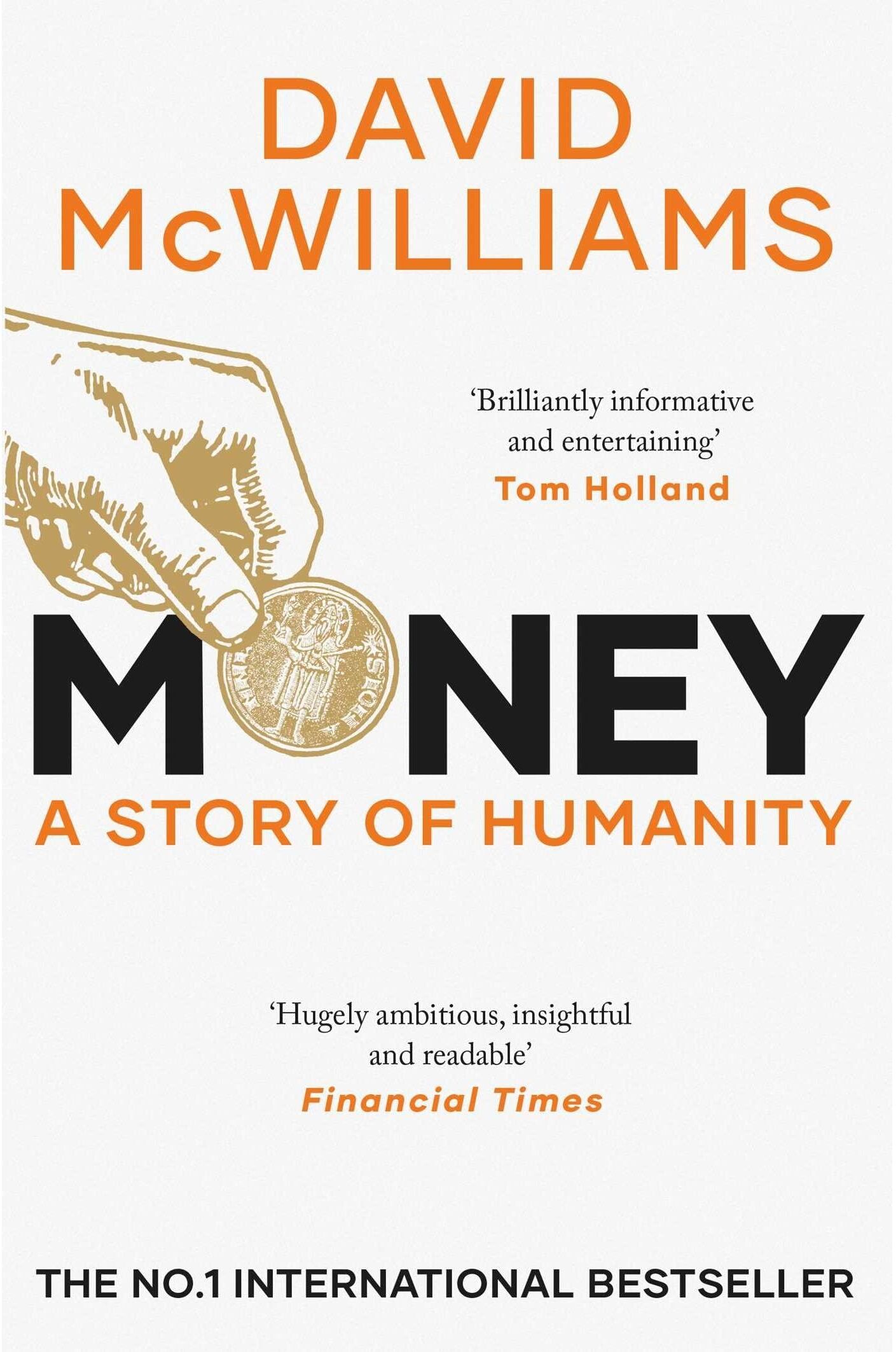
Simon & Schuster Money: A Story of Humanity by David McWilliams Economic History & Global Finance ExplainedIn Money: A Story of Humanity, renowned economist David McWilliams explores the fascinating history of money — not just as currency, but as a powerful force that has shaped human civilisation, relationships, technology, and global society. From ancient barter systems to cryptocurrency revolutions, McWilliams reveals how money reflects our values, ambitions, fears, politics, and culture.Rich with storytelling, sharp insights, and humour, this book makes complex economic ideas accessible, engaging, and deeply human. Perfect for readers who enjoy exploring how history, psychology, markets, and power intersect, Money: A Story of Humanity provides a fresh, eye-opening look at how money drives — and is driven by — human behaviour. Ideal for fans of Yuval Noah Harari, Tim Harford, Niall Ferguson, and Mary Beard.7,99 £*Shipping: 2,99 £Secure redirect to the provider
-
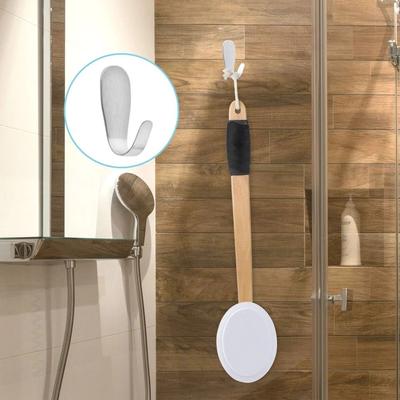
Multicon Wholesale Hub Long Handle Lotion Applicator, Back Lotion Brush For Tanning, Skin Cream, Easy Application, Non Slip Handle Long Handle Lotion Applicator, Back Lotion Brush For Tanning, Skin Cream, Easy Application, Non Slip Handle"Effortlessly Apply Lotion and Creams with the 17""in approx Long Handle Lotion Applicator Achieve smooth, even coverage with ease using the 17""in approx Long Handle Lotion Applicator, designed for effortless application of tanning products, lotions,..."54,97 $*Shipping: 0,00 $Secure redirect to the provider
-
Perfect Picks Market Toy Cash Register For Kids, Checkout Scanner, Play Money Food Set, , Credit Card Machine, Fruit Card Reader Toy Cash Register For Kids, Checkout Scanner, Play Money Food Set, , Credit Card Machine, Fruit Card ReaderEngage Your Child with Playful Learning The 33PCS Toy Cash Register for Kids with Checkout Scanner is a perfect way to help children develop essential skills while having fun! Designed for little ones, this interactive toy includes a realistic...59,97 $*Shipping: 0,00 $Secure redirect to the provider
-
Design House Matte Black Traditional Tulip Dummy Door Knob, Non-Locking Closet and French Door Application, 2-PackThe Terrace Dummy Door Knob 2-Pack is ideal for paired door applications including French doors and double closets that do not require a latch or lock. Each knob mounts flush to the door surface and provides a decorative, finished look.26,55 $*Shipping: 0,00 $Secure redirect to the provider
-
Why are people destructive?
People can be destructive for a variety of reasons, including anger, frustration, a desire for power or control, mental health issues, or a lack of empathy. Destructive behavior can also be a result of learned behavior or environmental influences. Additionally, some individuals may engage in destructive actions as a way to cope with their own emotional pain or trauma. Ultimately, destructive behavior is complex and can stem from a combination of internal and external factors. **
-
Why is everything destructive?
Everything is not inherently destructive, but there are destructive forces and actions in the world due to a variety of reasons. Some destructive forces are natural, such as earthquakes and hurricanes, while others are caused by human actions, such as pollution and war. Destructive behavior can also stem from a lack of understanding, empathy, or consideration for others. It is important to recognize and address these destructive forces in order to work towards a more harmonious and sustainable world. **
-
What are destructive cults?
Destructive cults are groups that use manipulative and controlling tactics to exploit their members for the benefit of the leader or the organization. These groups often use psychological manipulation, isolation, and coercion to maintain control over their members. Destructive cults can cause harm to individuals by undermining their autonomy, exploiting their resources, and causing psychological and emotional damage. These groups often have a charismatic leader who exerts significant influence over the members and uses their power to maintain control and obedience. **
-
Why am I so destructive?
It is important to reflect on the reasons behind your destructive behavior. It could be due to unresolved emotional issues, past traumas, low self-esteem, or a lack of healthy coping mechanisms. Seeking therapy or counseling can help you explore these underlying issues and develop healthier ways to manage your emotions and behaviors. Remember, it is never too late to make positive changes and work towards a more fulfilling and balanced life. **
Similar search terms for Non-destructive
-
Design House Matte Black Traditional Tulip Dummy Door Knob, Non-Locking Closet and French Door Application, 6-PackThe Terrace Dummy Door Knob 6-Pack is ideal for whole-home updates or multi-room projects including French doors and double closets that do not require a latch or lock. Each knob mounts flush to the door surface and provides a decorative, finished...58,51 $*Shipping: 0,00 $Secure redirect to the provider
-
The Psychology Of Money, The Art of Spending Money & Same as Ever by Morgan Housel 3 Books Collection Set - Non Fiction - Paperback Pan MacmillanTitles in this set: 1. Same as Ever 2. The Psychology of Money 3. The Art of Spending Money Description: Same as Ever When planning for the future we often ask, “What will the economy be doing this time next year?” Or, “What will be different ten years from now?” But forecasting is hard. The important events that will shape the future are inherently unpredictable. Instead, we should be asking a different question: What will be the same ten years from now? What will be the same one hundred years from now? Knowledge of the things that never change is more useful, and more important, than an uncertain prediction of an unknowable future. In Same As Ever, bestselling author Morgan Housel shares 24 short stories about the ways that life, behaviour, and business will always be the same. Armed with this knowledge of the unchanging, you will have a powerful new ability to think about risk, opportunity, and how to navigate the uncertainty of the future. The Psychology of Money Doing well with money isn't necessarily about what you know. It's about how you behave. And behavior is hard to teach, even to really smart people. Money investing, personal finance, and business decisions is typically taught as a math-based field, where data and formulas tell us exactly what to do. But in the real world people don't make financial decisions on a spreadsheet. They make them at the dinner table, or in a meeting room, where personal history, your own unique view of the world, ego, pride, marketing, and odd incentives are scrambled together. In The Psychology of Money, award-winning author Morgan Housel shares 19 short stories exploring the strange ways people think about money and teaches you how to make better sense of one of life's most important topics. The Art of Spending Money Can money buy happiness? Yes. Can spending it make you happier? Absolutely. Yet, many of us struggle to unlock its full potential – either by spending on things that don't bring as much joy as they should, or by avoiding investments that would truly enhance our mental well-being. In The Art of Spending Money, award-winning and global bestselling author Morgan Housel offers a refreshingly practical approach to managing wealth while finding deeper meaning and contentment. Instead of cookie-cutter financial advice, Housel provides you with psychological tools to navigate your personal relationship with money and optimise for happiness. Discover why people often mistake envy for admiration, how to align your expectations with your income, and ways to invest in future happiness while avoiding regret. Learn about the dangers of social debt and embrace the radical idea that the fastest way to build wealth is by going slow. The Art of Spending Money delves into the complexities that surround money – envy, social aspirations, identity, and insecurity – crucial aspects often missed in traditional financial books. Armed with new insights into money and wealth, you’ll learn to sidestep common spending...26,99 £*Shipping: 2,99 £Secure redirect to the provider
-
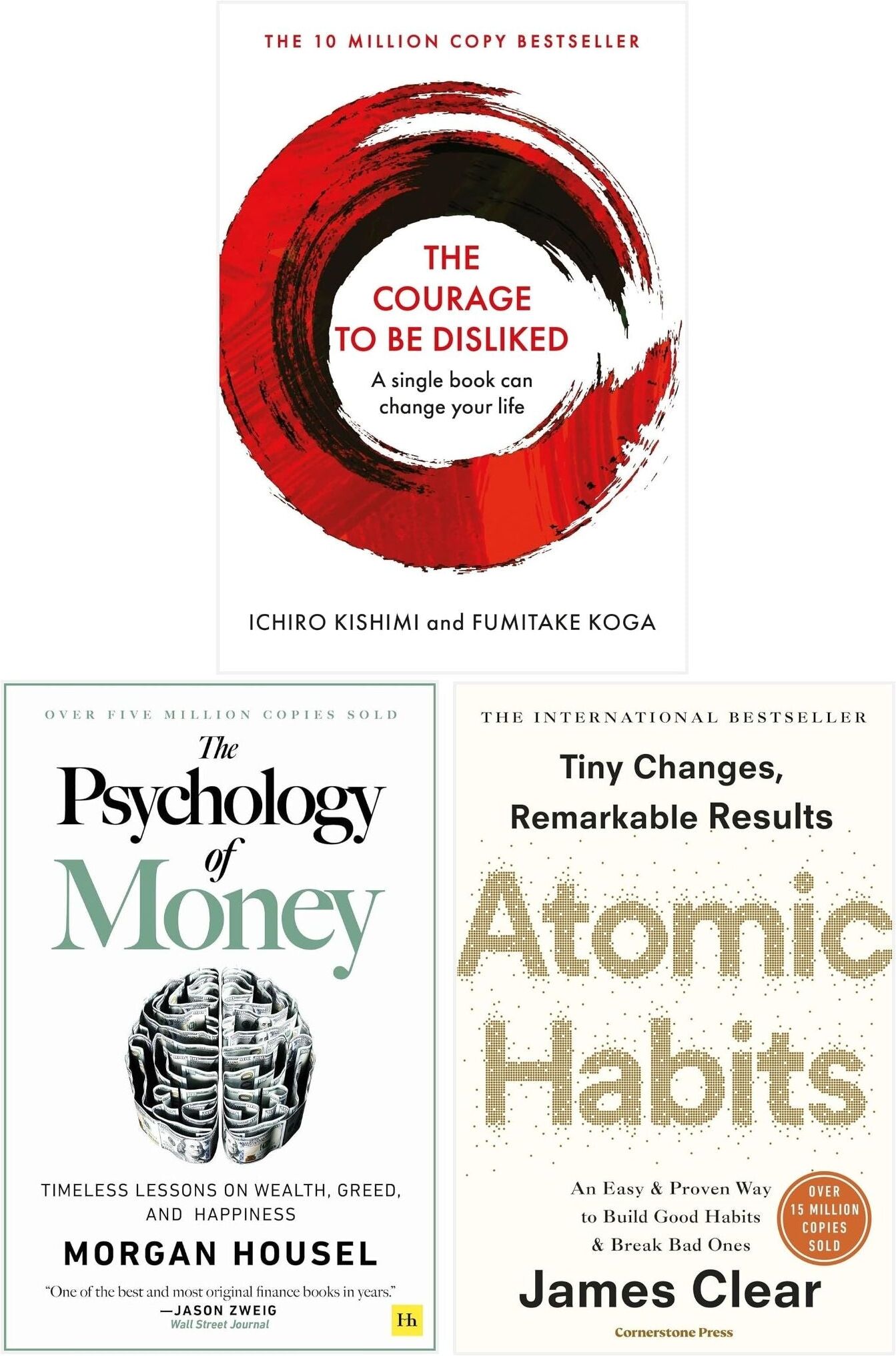
Harriman House The Psychology of Money, Atomic Habits & The Courage to Be Disliked – 3 Book Collection Set Bestselling Self-Development, Personal Finance, Self-HelUpgrade your mindset, habits, and financial thinking with this powerful 3-book collection set, featuring three of the most influential modern self-development titles. This essential bundle includes: The Psychology of Money by Morgan Housel – Discover how emotions and behaviour shape financial decisions and long-term wealth. Atomic Habits by James Clear – Learn how small habits can create powerful, lasting change. The Courage to Be Disliked by Ichiro Kishimi & Fumitake Koga** – Explore a transformative approach to happiness, freedom, and self-acceptance based on Adlerian psychology. Together, these books offer a complete guide to financial wisdom, personal growth, emotional resilience, and habit-building, making this set ideal for anyone looking to improve their life and mindset. Why Readers Love This Collection: Includes 3 bestselling modern self-development books Covers money, habits, mindset, and personal freedom Practical, easy-to-apply life lessons Perfect for beginners and experienced readers alike Ideal gift for motivation and self-improvement A must-have for anyone on a journey of personal growth, this collection delivers powerful insights for building a better, more successful life.22,99 £*Shipping: 2,99 £Secure redirect to the provider
-
Money, Life Leverage & Start Now. Get Perfect Later: By Rob Moore 3 Books Collection Set - Non Fiction - Paperback John Murray PressTitles in this set: 1. Money 2. Life Leverage 3. Start Now. Get Perfect Later Description: Money Do you want to get to the stage - soon - where you are truly financially independent, able to use your money in the way you'd like, and be completely confident in your ability to take care of yourself and your family? That is a universal desire, but many of us regard wealth and financial independence as a goal which we'll likely never achieve - there are just too many bills that need paying and there is a widespread belief that the money game is rigged. Even people who win the lottery or inherit money often seem to wind up losing it. The evidence suggests you can't win a game that you don't understand - even if you start out winning - because you never understood the game in the first place. So how can you win with money? How can you create independent wealth and hold on to it? This inspiring book by self-made multi-millionaire Rob Moore explains the rules of the game, shares simple tricks for managing money better, details how to create a plan for an ambitious future, and shows you the very best way to become a millionaire - to think and behave like one! Life Leverage You are just one small step away from the life you know you deserve. It's time to leverage your life. Life Leverage means taking control of your life, easily balancing your work and free time, making the most money with the minimum time input & wastage, and living a happier and more successful life. Using Rob Moore's remarkable Life Leverage model, you'll quickly banish & outsource all your confusion, frustration and stress & live your ideal, globally mobile life, doing more of what you love on your own terms. Learn how to: - Live a life of clarity & purpose, merging your passion & profession - Make money & make a difference, banishing work unhappiness - Use the fast-start wealth strategies of the new tech-rich - Maximise the time you have; don't waste a moment by outsourcing everything - Leverage all the things in your life that don't make you feel alive Start Now. Get Perfect Later Hardly anyone gets it right the first time, but many of us are crippled by indecision and fear of failure. The desire to get it right can inhibit us from getting started. In this book Rob Moore, the bestselling author of MONEY, shows that the quickest way to perfect is starting right now and improving as you go. This book will show you how to launch your business or idea, begin the next phase of your career, and overcome self-doubt - right away. Get perfect later, get started NOW.10,99 £*Shipping: 2,99 £Secure redirect to the provider
-
What does destructive omnipotence mean?
Destructive omnipotence refers to the unlimited power to cause harm or destruction. It implies the ability to wield immense power without any limitations or constraints, leading to devastating consequences. This concept is often used in discussions about the potential dangers of advanced technology or the unchecked power of authoritarian regimes. Destructive omnipotence highlights the need for ethical considerations and responsible use of power to prevent catastrophic outcomes. **
-
Which formula describes destructive interference?
Destructive interference is described by the formula: Δ = (m + 1/2)λ, where Δ represents the path length difference, m is an integer representing the order of the interference, and λ is the wavelength of the interfering waves. When the path length difference is equal to an odd multiple of half the wavelength, destructive interference occurs, resulting in a reduction or cancellation of the amplitude of the waves. This formula helps to predict the conditions under which destructive interference will occur in wave systems. **
-
Are these destructive interference waves?
Yes, the waves in the image are an example of destructive interference. Destructive interference occurs when two waves with opposite phases meet and their amplitudes subtract from each other, resulting in a wave with reduced amplitude. In the image, the two waves are out of phase and their amplitudes are subtracting from each other, leading to the formation of a wave with reduced amplitude. **
-
Can animals exhibit self-destructive behavior?
Yes, animals can exhibit self-destructive behavior. This can manifest in various ways, such as excessive grooming leading to hair loss, overeating, self-mutilation, or engaging in dangerous activities. These behaviors can be a result of stress, anxiety, or other underlying psychological issues. It is important for animal owners to be aware of these behaviors and seek professional help to address the root cause and provide appropriate care for their animals. **
* All prices are inclusive of VAT and, if applicable, plus shipping costs. The offer information is based on the details provided by the respective shop and is updated through automated processes. Real-time updates do not occur, so deviations can occur in individual cases. ** Note: Parts of this content were created by AI.