Buy loan-online.eu ?
We are moving the project
loan-online.eu .
Are you interested in purchasing the domain
loan-online.eu ?
domain@kv-gmbh.de · 0541-91531010
Buy loan-online.eu ?
Is it haram to borrow money for haram things?
Yes, it is considered haram (forbidden) to borrow money for haram things in Islam. This is because engaging in activities that are prohibited by Islamic teachings, such as gambling, consuming alcohol, or engaging in unethical business practices, goes against the principles of Islam. Muslims are encouraged to earn money through halal (permissible) means and to use it in ways that are in accordance with Islamic values. Borrowing money for haram activities can lead to sin and is not considered permissible in Islam. **
Is it haram to lend money without asking questions?
In Islam, it is important to ensure that lending money does not contribute to any form of harm or injustice. Therefore, it is recommended to ask questions and understand the purpose for which the money is being borrowed. This helps to ensure that the money is being used for legitimate and permissible reasons. By asking questions, one can also assess the borrower's ability to repay the loan, which is an important consideration in Islamic finance. Therefore, it is not inherently haram to lend money without asking questions, but it is recommended to do so in order to fulfill the principles of fairness and justice in Islamic finance. **
Similar search terms for Haram
Top-Angebote
Products related to Haram:
-
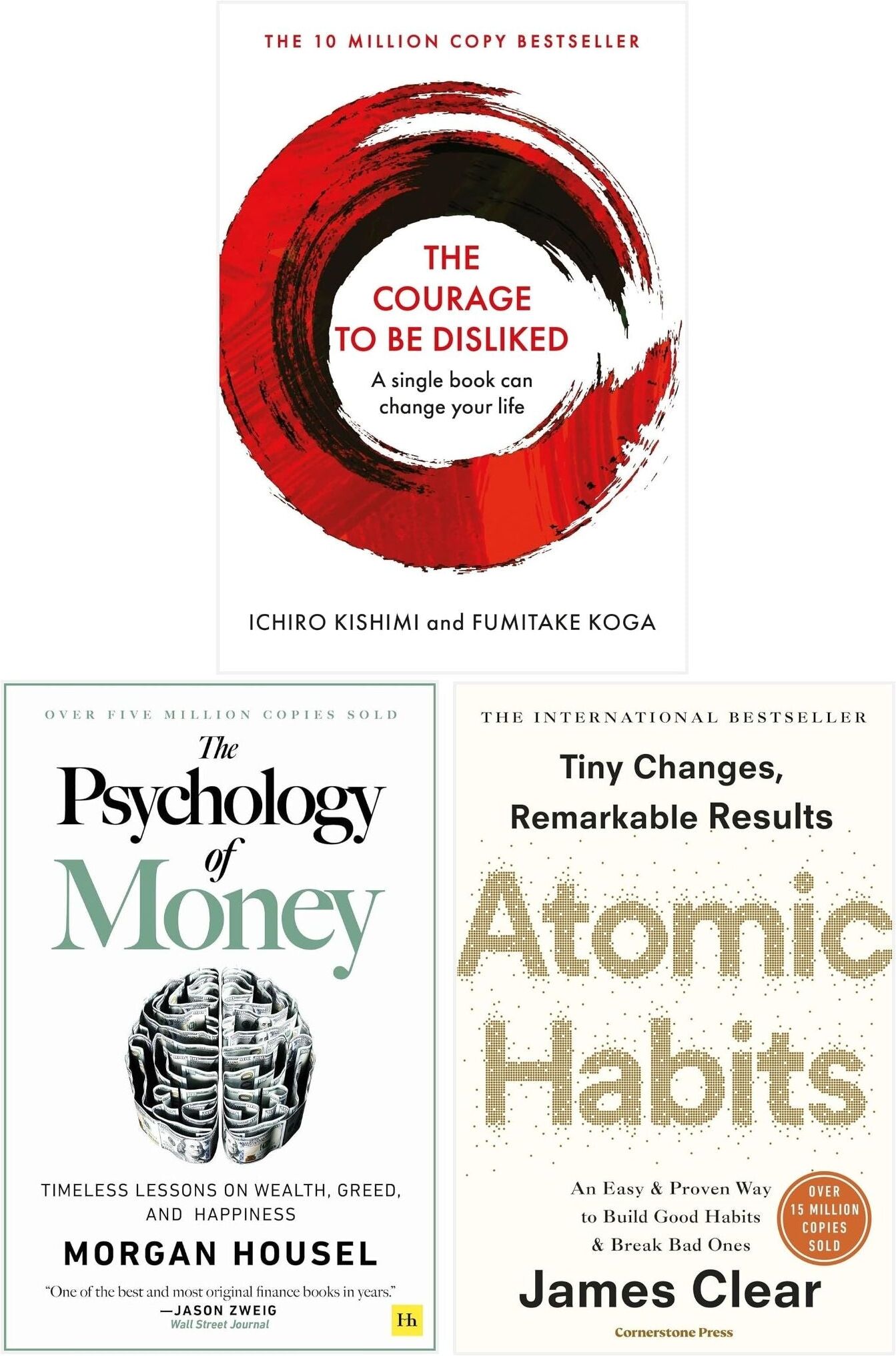
Harriman House The Psychology of Money, Atomic Habits & The Courage to Be Disliked – 3 Book Collection Set Bestselling Self-Development, Personal Finance, Self-HelUpgrade your mindset, habits, and financial thinking with this powerful 3-book collection set, featuring three of the most influential modern self-development titles. This essential bundle includes: The Psychology of Money by Morgan Housel – Discover how emotions and behaviour shape financial decisions and long-term wealth. Atomic Habits by James Clear – Learn how small habits can create powerful, lasting change. The Courage to Be Disliked by Ichiro Kishimi & Fumitake Koga** – Explore a transformative approach to happiness, freedom, and self-acceptance based on Adlerian psychology. Together, these books offer a complete guide to financial wisdom, personal growth, emotional resilience, and habit-building, making this set ideal for anyone looking to improve their life and mindset. Why Readers Love This Collection: Includes 3 bestselling modern self-development books Covers money, habits, mindset, and personal freedom Practical, easy-to-apply life lessons Perfect for beginners and experienced readers alike Ideal gift for motivation and self-improvement A must-have for anyone on a journey of personal growth, this collection delivers powerful insights for building a better, more successful life.22,99 £*Shipping: 2,99 £Secure redirect to the provider
-
Is a credit card haram?
In Islamic finance, the use of credit cards is a topic of debate. Some scholars argue that the use of credit cards is not inherently haram, as long as the cardholder uses it responsibly and pays off the balance in full each month to avoid interest charges. However, others argue that the concept of charging interest on outstanding balances makes credit cards haram, as it goes against the principles of Islamic finance. Ultimately, it is up to individuals to seek guidance from knowledgeable scholars and make their own informed decisions based on their understanding of Islamic principles. **
-
Are money gifts haram?
In Islam, giving and receiving money gifts is not inherently haram (forbidden). However, there are guidelines and conditions for giving and receiving money gifts in Islam. It is important to ensure that the money is earned through halal (permissible) means and that the intention behind giving the gift is pure. Additionally, excessive or extravagant gift-giving should be avoided, as it may lead to wastefulness and show-off behavior, which are discouraged in Islam. Ultimately, the intention and manner in which money gifts are given and received should be in accordance with Islamic principles of generosity, sincerity, and moderation. **
-
What are haram money gifts?
Haram money gifts are gifts that are considered forbidden or unlawful in Islam. This can include money obtained through dishonest or unethical means, such as theft, bribery, or fraud. In Islam, it is important to ensure that money and gifts are obtained and given in a lawful and ethical manner, and haram money gifts go against these principles. Muslims are encouraged to give and receive gifts that are halal, or permissible, in order to maintain their integrity and uphold the teachings of Islam. **
-
Should I borrow money or take out a loan?
Borrowing money and taking out a loan are essentially the same thing, as both involve receiving funds that need to be repaid with interest. Whether you should borrow money or take out a loan depends on your specific financial situation and needs. If you need a large sum of money for a specific purpose, such as buying a house or car, then taking out a loan from a bank or financial institution may be the best option. However, if you only need a small amount of money for a short period of time, borrowing from a friend or family member may be a better choice to avoid high interest rates and fees. It's important to carefully consider your options and assess your ability to repay the borrowed funds before making a decision. **
Is sports betting without money haram?
In Islam, gambling is considered haram (forbidden). Sports betting without money may still be considered haram as it promotes the same principles of gambling and can lead to addiction and financial harm. It is important to avoid activities that involve chance and betting, even if no money is involved, to adhere to Islamic teachings. It is recommended to engage in sports for enjoyment and physical activity rather than for the purpose of betting. **
Is it haram to accept money?
In Islam, it is not haram to accept money as long as it is earned through halal means. Accepting money that is earned through dishonesty, fraud, or exploitation of others would be considered haram. It is important for Muslims to earn their money through lawful and ethical ways, and to use it in a responsible and beneficial manner. Islam encourages earning a halal income and using it to support oneself, family, and those in need. **
Top-Angebote
Products related to Haram:
-
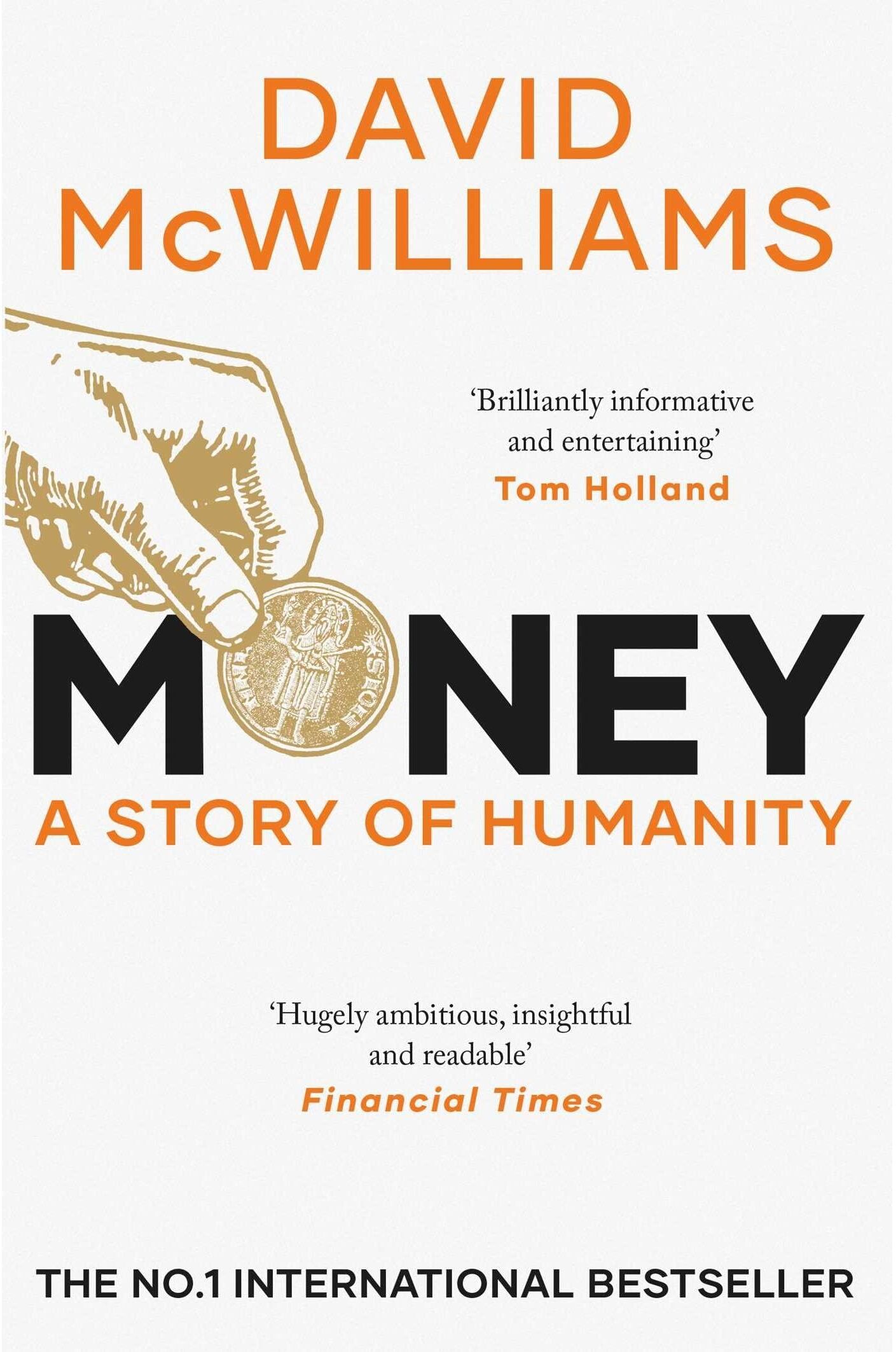
Simon & Schuster Money: A Story of Humanity by David McWilliams Economic History & Global Finance ExplainedIn Money: A Story of Humanity, renowned economist David McWilliams explores the fascinating history of money — not just as currency, but as a powerful force that has shaped human civilisation, relationships, technology, and global society. From ancient barter systems to cryptocurrency revolutions, McWilliams reveals how money reflects our values, ambitions, fears, politics, and culture.Rich with storytelling, sharp insights, and humour, this book makes complex economic ideas accessible, engaging, and deeply human. Perfect for readers who enjoy exploring how history, psychology, markets, and power intersect, Money: A Story of Humanity provides a fresh, eye-opening look at how money drives — and is driven by — human behaviour. Ideal for fans of Yuval Noah Harari, Tim Harford, Niall Ferguson, and Mary Beard.7,99 £*Shipping: 2,99 £Secure redirect to the provider
-
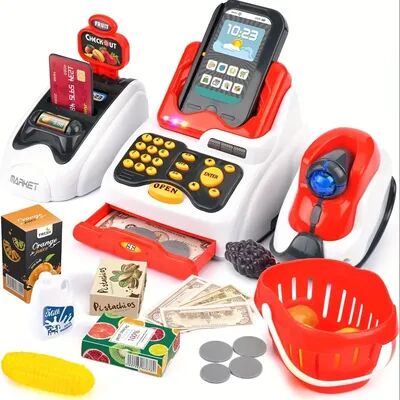
Perfect Picks Market Toy Cash Register For Kids, Checkout Scanner, Play Money Food Set, , Credit Card Machine, Fruit Card Reader Toy Cash Register For Kids, Checkout Scanner, Play Money Food Set, , Credit Card Machine, Fruit Card ReaderEngage Your Child with Playful Learning The 33PCS Toy Cash Register for Kids with Checkout Scanner is a perfect way to help children develop essential skills while having fun! Designed for little ones, this interactive toy includes a realistic...59,97 $*Shipping: 0,00 $Secure redirect to the provider
-
Harriman House The Psychology of Money, Atomic Habits & The Courage to Be Disliked – 3 Book Collection Set Bestselling Self-Development, Personal Finance, Self-HelUpgrade your mindset, habits, and financial thinking with this powerful 3-book collection set, featuring three of the most influential modern self-development titles. This essential bundle includes: The Psychology of Money by Morgan Housel – Discover how emotions and behaviour shape financial decisions and long-term wealth. Atomic Habits by James Clear – Learn how small habits can create powerful, lasting change. The Courage to Be Disliked by Ichiro Kishimi & Fumitake Koga** – Explore a transformative approach to happiness, freedom, and self-acceptance based on Adlerian psychology. Together, these books offer a complete guide to financial wisdom, personal growth, emotional resilience, and habit-building, making this set ideal for anyone looking to improve their life and mindset. Why Readers Love This Collection: Includes 3 bestselling modern self-development books Covers money, habits, mindset, and personal freedom Practical, easy-to-apply life lessons Perfect for beginners and experienced readers alike Ideal gift for motivation and self-improvement A must-have for anyone on a journey of personal growth, this collection delivers powerful insights for building a better, more successful life.22,99 £*Shipping: 2,99 £Secure redirect to the provider
-
Is it haram to borrow money for haram things?
Yes, it is considered haram (forbidden) to borrow money for haram things in Islam. This is because engaging in activities that are prohibited by Islamic teachings, such as gambling, consuming alcohol, or engaging in unethical business practices, goes against the principles of Islam. Muslims are encouraged to earn money through halal (permissible) means and to use it in ways that are in accordance with Islamic values. Borrowing money for haram activities can lead to sin and is not considered permissible in Islam. **
-
Is it haram to lend money without asking questions?
In Islam, it is important to ensure that lending money does not contribute to any form of harm or injustice. Therefore, it is recommended to ask questions and understand the purpose for which the money is being borrowed. This helps to ensure that the money is being used for legitimate and permissible reasons. By asking questions, one can also assess the borrower's ability to repay the loan, which is an important consideration in Islamic finance. Therefore, it is not inherently haram to lend money without asking questions, but it is recommended to do so in order to fulfill the principles of fairness and justice in Islamic finance. **
-
Is a credit card haram?
In Islamic finance, the use of credit cards is a topic of debate. Some scholars argue that the use of credit cards is not inherently haram, as long as the cardholder uses it responsibly and pays off the balance in full each month to avoid interest charges. However, others argue that the concept of charging interest on outstanding balances makes credit cards haram, as it goes against the principles of Islamic finance. Ultimately, it is up to individuals to seek guidance from knowledgeable scholars and make their own informed decisions based on their understanding of Islamic principles. **
-
Are money gifts haram?
In Islam, giving and receiving money gifts is not inherently haram (forbidden). However, there are guidelines and conditions for giving and receiving money gifts in Islam. It is important to ensure that the money is earned through halal (permissible) means and that the intention behind giving the gift is pure. Additionally, excessive or extravagant gift-giving should be avoided, as it may lead to wastefulness and show-off behavior, which are discouraged in Islam. Ultimately, the intention and manner in which money gifts are given and received should be in accordance with Islamic principles of generosity, sincerity, and moderation. **
Similar search terms for Haram
-
What are haram money gifts?
Haram money gifts are gifts that are considered forbidden or unlawful in Islam. This can include money obtained through dishonest or unethical means, such as theft, bribery, or fraud. In Islam, it is important to ensure that money and gifts are obtained and given in a lawful and ethical manner, and haram money gifts go against these principles. Muslims are encouraged to give and receive gifts that are halal, or permissible, in order to maintain their integrity and uphold the teachings of Islam. **
-
Should I borrow money or take out a loan?
Borrowing money and taking out a loan are essentially the same thing, as both involve receiving funds that need to be repaid with interest. Whether you should borrow money or take out a loan depends on your specific financial situation and needs. If you need a large sum of money for a specific purpose, such as buying a house or car, then taking out a loan from a bank or financial institution may be the best option. However, if you only need a small amount of money for a short period of time, borrowing from a friend or family member may be a better choice to avoid high interest rates and fees. It's important to carefully consider your options and assess your ability to repay the borrowed funds before making a decision. **
-
Is sports betting without money haram?
In Islam, gambling is considered haram (forbidden). Sports betting without money may still be considered haram as it promotes the same principles of gambling and can lead to addiction and financial harm. It is important to avoid activities that involve chance and betting, even if no money is involved, to adhere to Islamic teachings. It is recommended to engage in sports for enjoyment and physical activity rather than for the purpose of betting. **
-
Is it haram to accept money?
In Islam, it is not haram to accept money as long as it is earned through halal means. Accepting money that is earned through dishonesty, fraud, or exploitation of others would be considered haram. It is important for Muslims to earn their money through lawful and ethical ways, and to use it in a responsible and beneficial manner. Islam encourages earning a halal income and using it to support oneself, family, and those in need. **
* All prices are inclusive of VAT and, if applicable, plus shipping costs. The offer information is based on the details provided by the respective shop and is updated through automated processes. Real-time updates do not occur, so deviations can occur in individual cases. ** Note: Parts of this content were created by AI.