Buy loan-online.eu ?
We are moving the project
loan-online.eu .
Are you interested in purchasing the domain
loan-online.eu ?
domain@kv-gmbh.de · 0541-91531010
Buy loan-online.eu ?
Where does morality end and money begin?
Morality and money are two separate concepts, but they can intersect in various ways. Morality encompasses principles of right and wrong, and it guides our behavior and decision-making. Money, on the other hand, is a medium of exchange and a measure of value. The intersection of morality and money can be seen in ethical considerations related to financial transactions, such as fair wages, responsible investing, and corporate social responsibility. However, the line between morality and money can become blurred when financial interests conflict with ethical principles, such as in cases of corruption, exploitation, or unethical business practices. Ultimately, the boundary between morality and money is subjective and can vary depending on individual values and societal norms. **
What is morality?
Morality refers to a set of principles or values that guide individuals on what is considered right or wrong behavior. It is a code of conduct that helps people make ethical decisions and distinguish between good and bad actions. Morality is often influenced by cultural, religious, and societal norms, and it plays a crucial role in shaping how individuals interact with others and navigate complex ethical dilemmas. **

Similar search terms for Morality
Top-Angebote
Products related to Morality:
-
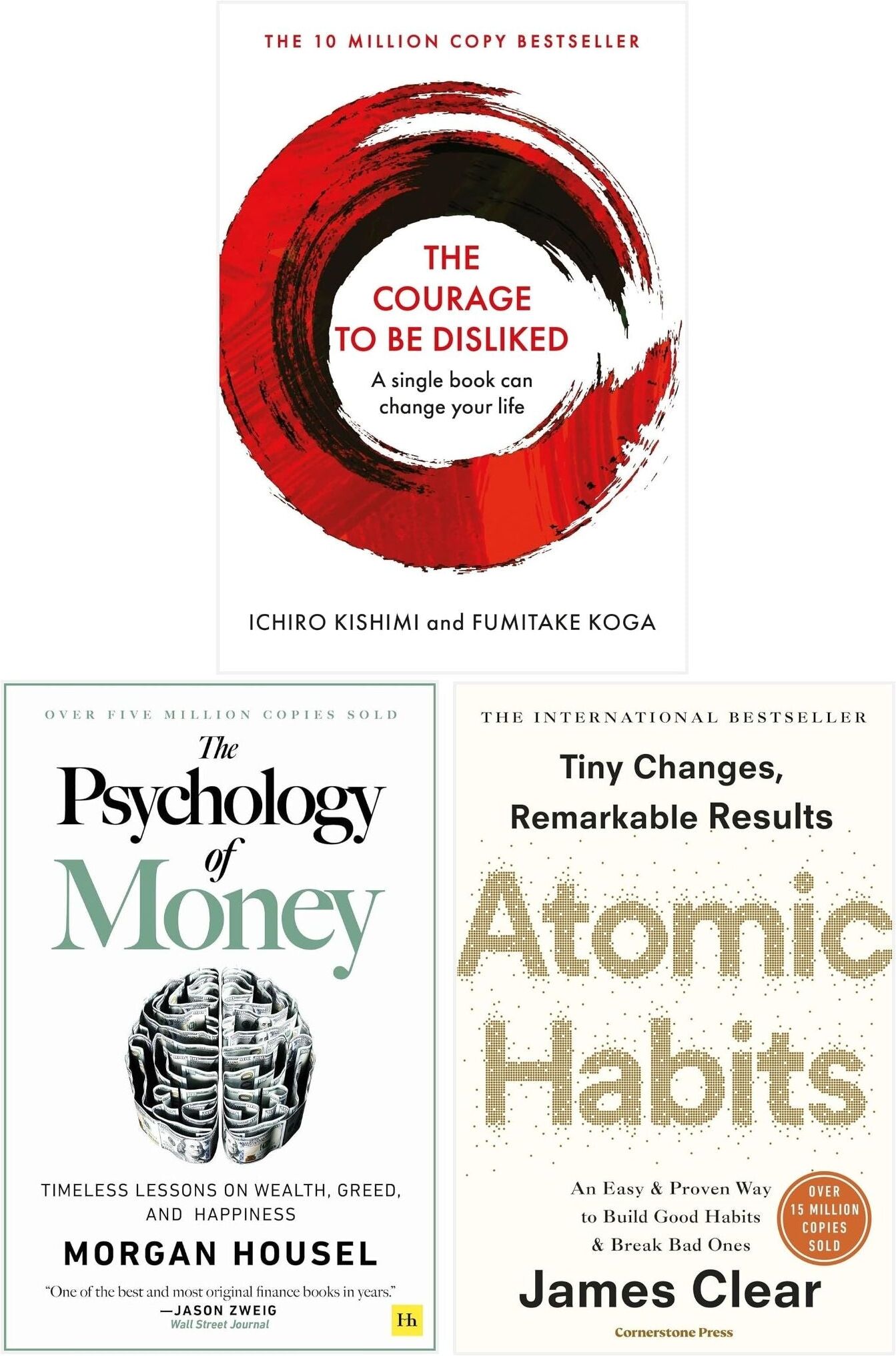
Harriman House The Psychology of Money, Atomic Habits & The Courage to Be Disliked – 3 Book Collection Set Bestselling Self-Development, Personal Finance, Self-HelUpgrade your mindset, habits, and financial thinking with this powerful 3-book collection set, featuring three of the most influential modern self-development titles. This essential bundle includes: The Psychology of Money by Morgan Housel – Discover how emotions and behaviour shape financial decisions and long-term wealth. Atomic Habits by James Clear – Learn how small habits can create powerful, lasting change. The Courage to Be Disliked by Ichiro Kishimi & Fumitake Koga** – Explore a transformative approach to happiness, freedom, and self-acceptance based on Adlerian psychology. Together, these books offer a complete guide to financial wisdom, personal growth, emotional resilience, and habit-building, making this set ideal for anyone looking to improve their life and mindset. Why Readers Love This Collection: Includes 3 bestselling modern self-development books Covers money, habits, mindset, and personal freedom Practical, easy-to-apply life lessons Perfect for beginners and experienced readers alike Ideal gift for motivation and self-improvement A must-have for anyone on a journey of personal growth, this collection delivers powerful insights for building a better, more successful life.22,99 £*Shipping: 2,99 £Secure redirect to the provider
-
Canelo Ltd. Kiley Dunbar Borrow a Bookshop Series Collection 3 Books SetThe Borrow a Bookshop Holiday Jude Crawley should be on top of the world. She's just graduated as a mature student, so can finally go public about her relationship with Philosophy professor, Mack. Until she sees Mack kissing another girl, and her dreams crumble. And worse, their dream holiday - running a tiny bookshop in the harbour village of Clove Lore for two weeks - is non-refundable. Throwing caution to the winds, Jude heads down to Devon, eager to immerse herself in literature and heal her broken heart. Something New at the Borrow a Bookshop The Borrow-a-Bookshop is recovering, seven months on from the winter flood that destroyed all its stock, and the latest temporary bookseller, Joy Foley, arrives in Clove Lore with her daughter, five-year-old Radia Pearl. As a tech expert, she'll be working on dragging the Bookshop into the twenty-first century. But what no one knows is that Joy is running from Radia Pearl's father. She can't settle down here or anywhere ... moving on is how she stays safe. So when Radia befriends Monty Bickleigh, ex-fisherman and the new cook at The Siren's Tail pub, despite herself, Joy finds herself growing closer to him, and the quirky community of Clove Lore. Love Letters at the Borrow a Bookshop Austen Archer is on her dream solo bookselling holiday, the new 'borrower' at the Borrow-A-Bookshop in Devon's Clove Lore. While she has always loved poetry, her words have dried up since being fired by her last boss, bestselling author, Callista Flyte, a year ago. Austen distracts herself with the Borrow-A-Bookshop, as well as her flirty online exchanges with an anonymous Parisian bookseller. Hiding from the world, Austen doesn't notice that wedding planner, Patti, is falling for her - and is too afraid to admit that she feels the chemistry too.10,99 £*Shipping: 2,99 £Secure redirect to the provider
-
Sagebrook Home Handcrafted Terracotta Pottery Round Vase Modern Visual InterestThis small vase brings contemporary charm to any setting with its handcrafted pottery design and subtly textured terracotta finish, making it a standout among decorative home accents.40,45 $*Shipping: 0,00 $Secure redirect to the provider



-
Is there only subjective morality or is there also objective morality?
There is ongoing debate about whether morality is purely subjective or if there are objective moral truths. Some argue that morality is entirely subjective, meaning that it is based on individual beliefs, cultural norms, and personal experiences. Others believe in the existence of objective moral principles that are independent of individual perspectives and cultural influences. This debate is complex and has been discussed by philosophers and ethicists for centuries, and there is no consensus on the matter. **
-
Did Nietzsche want to abolish morality or enforce the master morality?
Nietzsche did not want to abolish morality altogether, but rather to challenge and critique the existing moral values of his time. He sought to undermine the traditional Christian morality, which he saw as promoting weakness and submission, and instead advocated for the reevaluation and redefinition of values based on what he called the "master morality." This master morality emphasized strength, power, and individual will, and Nietzsche believed it to be more in line with human nature and the pursuit of greatness. Therefore, Nietzsche aimed to enforce the master morality as a replacement for the prevailing moral values of his time. **
-
Can one afford morality?
Morality is not something that can be bought or sold, as it is a set of principles and values that guide one's actions and decisions. While there may be costs associated with living a moral life, such as making sacrifices or facing challenges, ultimately, morality is a choice that individuals make based on their beliefs and values. Therefore, one can afford morality by prioritizing it in their decision-making and actions, regardless of their financial situation. **
-
What is Philistine morality?
Philistine morality refers to a set of values and beliefs that prioritize material wealth, superficial appearances, and conformity to societal norms over deeper ethical considerations. It is often associated with a lack of intellectual or artistic appreciation, as well as a focus on immediate gratification and self-interest. The term "Philistine" originally referred to a group of people in ancient times who were considered uncultured and unrefined, and today it is used metaphorically to criticize individuals or societies that prioritize materialism and conformity over more meaningful or ethical pursuits. **


What does morality mean?
Morality refers to a set of principles or values that guide an individual's behavior and decision-making, distinguishing between right and wrong. It encompasses concepts such as honesty, integrity, fairness, and compassion, and often reflects societal norms and cultural beliefs. Morality can be influenced by religion, philosophy, and personal experiences, and plays a crucial role in shaping individual and collective ethical conduct. **
Is morality scientifically explainable?
Morality is a complex concept that is influenced by a variety of factors, including cultural, social, and psychological elements. While scientific research can provide insights into the origins and development of moral beliefs and behaviors, it may not be able to fully explain the subjective and value-laden nature of morality. Additionally, moral judgments often involve emotions, intuitions, and personal experiences that may not be easily captured or explained by scientific methods alone. Therefore, while science can contribute to our understanding of morality, it may not be able to provide a complete and definitive explanation. **
Top-Angebote
Products related to Morality:
-
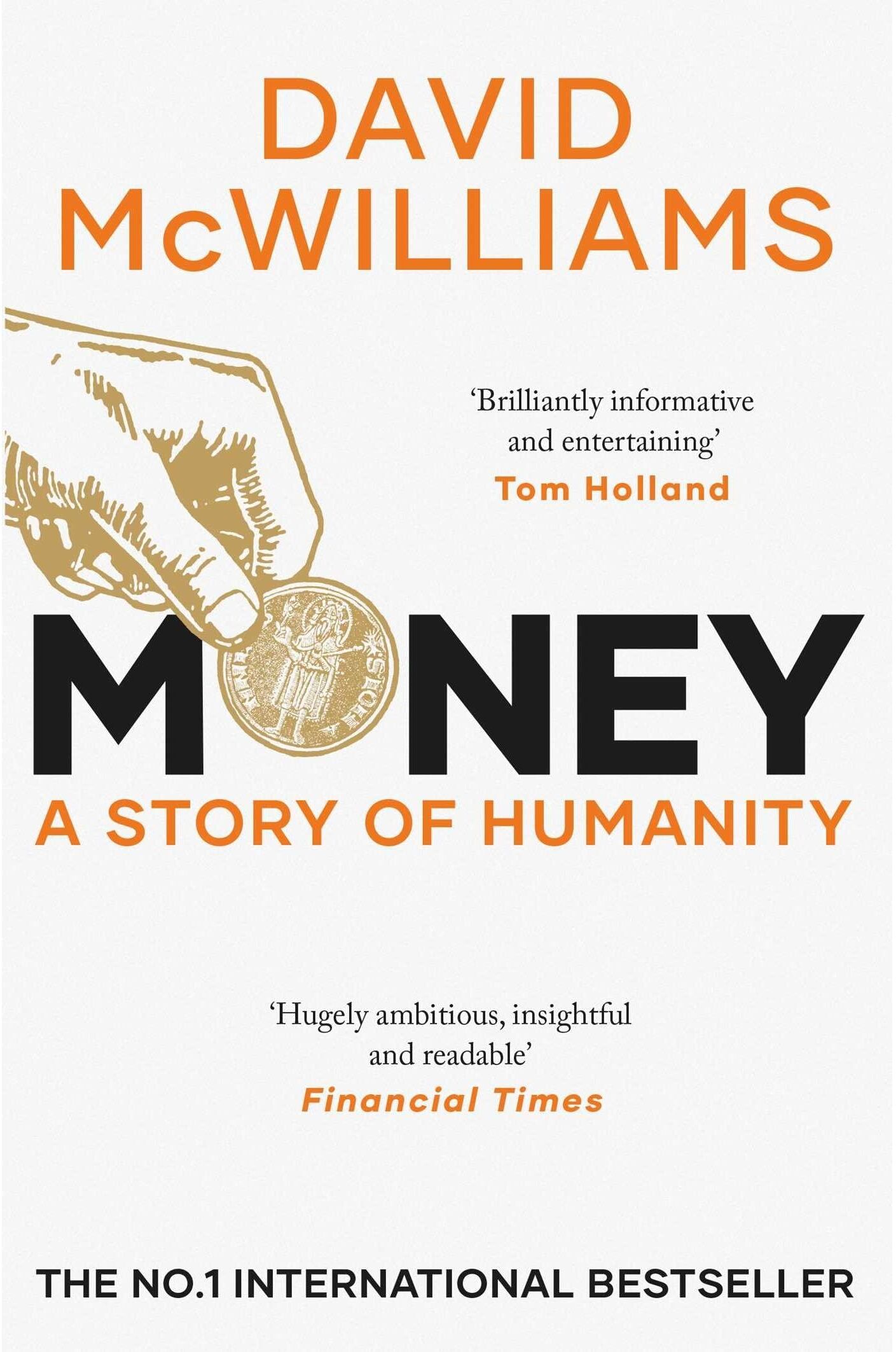
Simon & Schuster Money: A Story of Humanity by David McWilliams Economic History & Global Finance ExplainedIn Money: A Story of Humanity, renowned economist David McWilliams explores the fascinating history of money — not just as currency, but as a powerful force that has shaped human civilisation, relationships, technology, and global society. From ancient barter systems to cryptocurrency revolutions, McWilliams reveals how money reflects our values, ambitions, fears, politics, and culture.Rich with storytelling, sharp insights, and humour, this book makes complex economic ideas accessible, engaging, and deeply human. Perfect for readers who enjoy exploring how history, psychology, markets, and power intersect, Money: A Story of Humanity provides a fresh, eye-opening look at how money drives — and is driven by — human behaviour. Ideal for fans of Yuval Noah Harari, Tim Harford, Niall Ferguson, and Mary Beard.7,99 £*Shipping: 2,99 £Secure redirect to the provider
-
Perfect Picks Market Toy Cash Register For Kids, Checkout Scanner, Play Money Food Set, , Credit Card Machine, Fruit Card Reader Toy Cash Register For Kids, Checkout Scanner, Play Money Food Set, , Credit Card Machine, Fruit Card ReaderEngage Your Child with Playful Learning The 33PCS Toy Cash Register for Kids with Checkout Scanner is a perfect way to help children develop essential skills while having fun! Designed for little ones, this interactive toy includes a realistic...59,97 $*Shipping: 0,00 $Secure redirect to the provider
-
Harriman House The Psychology of Money, Atomic Habits & The Courage to Be Disliked – 3 Book Collection Set Bestselling Self-Development, Personal Finance, Self-HelUpgrade your mindset, habits, and financial thinking with this powerful 3-book collection set, featuring three of the most influential modern self-development titles. This essential bundle includes: The Psychology of Money by Morgan Housel – Discover how emotions and behaviour shape financial decisions and long-term wealth. Atomic Habits by James Clear – Learn how small habits can create powerful, lasting change. The Courage to Be Disliked by Ichiro Kishimi & Fumitake Koga** – Explore a transformative approach to happiness, freedom, and self-acceptance based on Adlerian psychology. Together, these books offer a complete guide to financial wisdom, personal growth, emotional resilience, and habit-building, making this set ideal for anyone looking to improve their life and mindset. Why Readers Love This Collection: Includes 3 bestselling modern self-development books Covers money, habits, mindset, and personal freedom Practical, easy-to-apply life lessons Perfect for beginners and experienced readers alike Ideal gift for motivation and self-improvement A must-have for anyone on a journey of personal growth, this collection delivers powerful insights for building a better, more successful life.22,99 £*Shipping: 2,99 £Secure redirect to the provider
-
Canelo Ltd. Kiley Dunbar Borrow a Bookshop Series Collection 3 Books SetThe Borrow a Bookshop Holiday Jude Crawley should be on top of the world. She's just graduated as a mature student, so can finally go public about her relationship with Philosophy professor, Mack. Until she sees Mack kissing another girl, and her dreams crumble. And worse, their dream holiday - running a tiny bookshop in the harbour village of Clove Lore for two weeks - is non-refundable. Throwing caution to the winds, Jude heads down to Devon, eager to immerse herself in literature and heal her broken heart. Something New at the Borrow a Bookshop The Borrow-a-Bookshop is recovering, seven months on from the winter flood that destroyed all its stock, and the latest temporary bookseller, Joy Foley, arrives in Clove Lore with her daughter, five-year-old Radia Pearl. As a tech expert, she'll be working on dragging the Bookshop into the twenty-first century. But what no one knows is that Joy is running from Radia Pearl's father. She can't settle down here or anywhere ... moving on is how she stays safe. So when Radia befriends Monty Bickleigh, ex-fisherman and the new cook at The Siren's Tail pub, despite herself, Joy finds herself growing closer to him, and the quirky community of Clove Lore. Love Letters at the Borrow a Bookshop Austen Archer is on her dream solo bookselling holiday, the new 'borrower' at the Borrow-A-Bookshop in Devon's Clove Lore. While she has always loved poetry, her words have dried up since being fired by her last boss, bestselling author, Callista Flyte, a year ago. Austen distracts herself with the Borrow-A-Bookshop, as well as her flirty online exchanges with an anonymous Parisian bookseller. Hiding from the world, Austen doesn't notice that wedding planner, Patti, is falling for her - and is too afraid to admit that she feels the chemistry too.10,99 £*Shipping: 2,99 £Secure redirect to the provider
-
Where does morality end and money begin?
Morality and money are two separate concepts, but they can intersect in various ways. Morality encompasses principles of right and wrong, and it guides our behavior and decision-making. Money, on the other hand, is a medium of exchange and a measure of value. The intersection of morality and money can be seen in ethical considerations related to financial transactions, such as fair wages, responsible investing, and corporate social responsibility. However, the line between morality and money can become blurred when financial interests conflict with ethical principles, such as in cases of corruption, exploitation, or unethical business practices. Ultimately, the boundary between morality and money is subjective and can vary depending on individual values and societal norms. **
-
What is morality?
Morality refers to a set of principles or values that guide individuals on what is considered right or wrong behavior. It is a code of conduct that helps people make ethical decisions and distinguish between good and bad actions. Morality is often influenced by cultural, religious, and societal norms, and it plays a crucial role in shaping how individuals interact with others and navigate complex ethical dilemmas. **
-
Is there only subjective morality or is there also objective morality?
There is ongoing debate about whether morality is purely subjective or if there are objective moral truths. Some argue that morality is entirely subjective, meaning that it is based on individual beliefs, cultural norms, and personal experiences. Others believe in the existence of objective moral principles that are independent of individual perspectives and cultural influences. This debate is complex and has been discussed by philosophers and ethicists for centuries, and there is no consensus on the matter. **
-
Did Nietzsche want to abolish morality or enforce the master morality?
Nietzsche did not want to abolish morality altogether, but rather to challenge and critique the existing moral values of his time. He sought to undermine the traditional Christian morality, which he saw as promoting weakness and submission, and instead advocated for the reevaluation and redefinition of values based on what he called the "master morality." This master morality emphasized strength, power, and individual will, and Nietzsche believed it to be more in line with human nature and the pursuit of greatness. Therefore, Nietzsche aimed to enforce the master morality as a replacement for the prevailing moral values of his time. **
Similar search terms for Morality
-
Sagebrook Home Handcrafted Terracotta Pottery Round Vase Modern Visual InterestThis small vase brings contemporary charm to any setting with its handcrafted pottery design and subtly textured terracotta finish, making it a standout among decorative home accents.40,45 $*Shipping: 0,00 $Secure redirect to the provider
-
Sagebrook Home Handcrafted Terracotta Pottery Round Vase Modern Visual InterestThis small vase brings contemporary charm to any setting with its handcrafted pottery design and subtly textured terracotta finish, making it a standout among decorative home accents.42,56 $*Shipping: 0,00 $Secure redirect to the provider
-
Sagebrook Home Handcrafted Terracotta Pottery Round Vase Modern Visual InterestThis small vase brings contemporary charm to any setting with its handcrafted pottery design and subtly textured terracotta finish, making it a standout among decorative home accents.65,99 $*Shipping: 0,00 $Secure redirect to the provider
-
Can one afford morality?
Morality is not something that can be bought or sold, as it is a set of principles and values that guide one's actions and decisions. While there may be costs associated with living a moral life, such as making sacrifices or facing challenges, ultimately, morality is a choice that individuals make based on their beliefs and values. Therefore, one can afford morality by prioritizing it in their decision-making and actions, regardless of their financial situation. **
-
What is Philistine morality?
Philistine morality refers to a set of values and beliefs that prioritize material wealth, superficial appearances, and conformity to societal norms over deeper ethical considerations. It is often associated with a lack of intellectual or artistic appreciation, as well as a focus on immediate gratification and self-interest. The term "Philistine" originally referred to a group of people in ancient times who were considered uncultured and unrefined, and today it is used metaphorically to criticize individuals or societies that prioritize materialism and conformity over more meaningful or ethical pursuits. **
-
What does morality mean?
Morality refers to a set of principles or values that guide an individual's behavior and decision-making, distinguishing between right and wrong. It encompasses concepts such as honesty, integrity, fairness, and compassion, and often reflects societal norms and cultural beliefs. Morality can be influenced by religion, philosophy, and personal experiences, and plays a crucial role in shaping individual and collective ethical conduct. **
-
Is morality scientifically explainable?
Morality is a complex concept that is influenced by a variety of factors, including cultural, social, and psychological elements. While scientific research can provide insights into the origins and development of moral beliefs and behaviors, it may not be able to fully explain the subjective and value-laden nature of morality. Additionally, moral judgments often involve emotions, intuitions, and personal experiences that may not be easily captured or explained by scientific methods alone. Therefore, while science can contribute to our understanding of morality, it may not be able to provide a complete and definitive explanation. **
* All prices are inclusive of VAT and, if applicable, plus shipping costs. The offer information is based on the details provided by the respective shop and is updated through automated processes. Real-time updates do not occur, so deviations can occur in individual cases. ** Note: Parts of this content were created by AI.