Buy loan-online.eu ?
We are moving the project
loan-online.eu .
Are you interested in purchasing the domain
loan-online.eu ?
domain@kv-gmbh.de · 0541-91531010
Buy loan-online.eu ?
Should I borrow money or take out a loan?
Borrowing money and taking out a loan are essentially the same thing, as both involve receiving funds that need to be repaid with interest. Whether you should borrow money or take out a loan depends on your specific financial situation and needs. If you need a large sum of money for a specific purpose, such as buying a house or car, then taking out a loan from a bank or financial institution may be the best option. However, if you only need a small amount of money for a short period of time, borrowing from a friend or family member may be a better choice to avoid high interest rates and fees. It's important to carefully consider your options and assess your ability to repay the borrowed funds before making a decision. **
How long can Otto borrow money without interest?
Otto can borrow money without interest for up to 30 days. After 30 days, he will start incurring interest on the borrowed amount. It's important for Otto to repay the borrowed money within this interest-free period to avoid any additional costs. **
Similar search terms for Game
Top-Angebote
Products related to Game:
-
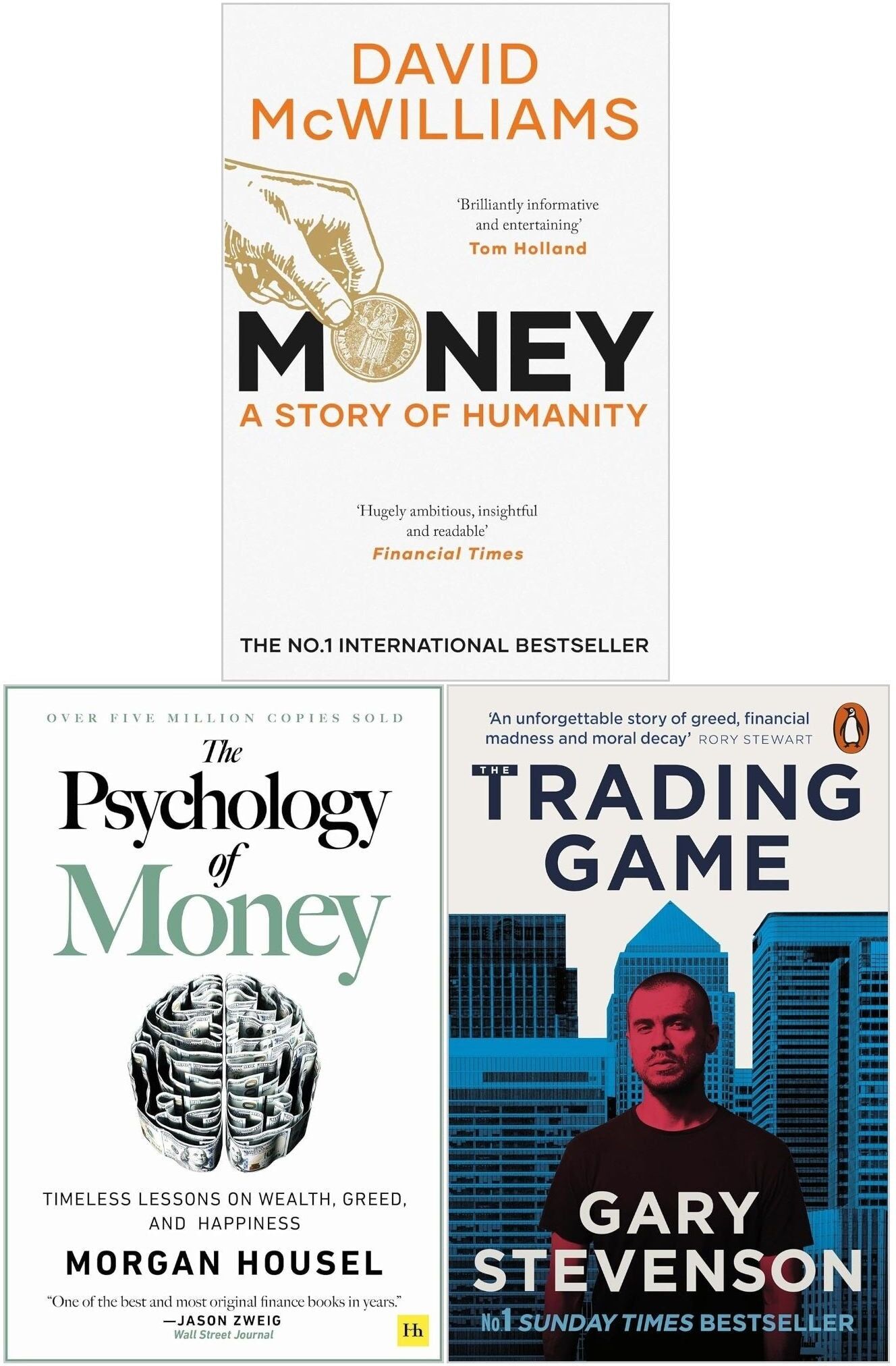
Harriman House Psychology of Money, The Trading Game and Money: A Story of Humanity 3 Books Collection SetPsychology of Money by Morgan Housel Doing well with money isn't necessarily about what you know. It's about how you behave. And behavior is hard to teach, even to really smart people. Money – investing, personal finance, and business decisions – is typically taught as a math-based field, where data and formulas tell us exactly what to do. But in the real world people don't make financial decisions on a spreadsheet. They make them at the dinner table, or in a meeting room, where personal history, your own unique view of the world, ego, pride, marketing, and odd incentives are scrambled together. The Trading Game by Gary Stevenson Ever since he was a kid, kicking broken footballs on the streets of East London in the shadow of Canary Wharf's skyscrapers, Gary wanted something better. Something a whole lot bigger. Then he won a competition run by a bank: 'The Trading Game'. The prize: a golden ticket to a new life, as the youngest trader in the whole city. A place where you could make more money than you'd ever imagined. Where your colleagues are dysfunctional maths geniuses, overfed public schoolboys and borderline psychopaths, yet they start to feel like family. Where soon you're the bank's most profitable trader, dealing in nearly a trillion dollars. A day. Where you dream of numbers in your sleep - and then stop sleeping at all. Money: A Story of Humanity by David McWilliams MONEY. The object of our desires. The engine of our genius. Humanity’s greatest invention. From clay tablets in Mesopotamia to today’s cryptocurrency, global economist David McWilliams takes us on an epic journey of innovation, disruption and transformation that is an astonishing new history of our species. The question is, over 5,000 years, have we changed money – or has money changed us?22,99 £*Shipping: 2,99 £Secure redirect to the provider
-
'Game or no interest?'
It depends on the individual's preferences and priorities. Some people may find games to be a fun and engaging way to pass the time and relax, while others may have no interest in them and prefer to spend their time on other activities. Ultimately, it comes down to personal preference and what brings joy and fulfillment to each person. **
-
When do you use the two words borrow and lend?
You use the word "borrow" when you are taking something from someone else with the intention of returning it. For example, "Can I borrow your book?" You use the word "lend" when you are giving something to someone else with the expectation that it will be returned. For example, "I can lend you my pen." **
-
Can every game lead to losing interest?
While it is possible for any game to lead to losing interest, it ultimately depends on the individual player and their preferences. Factors such as repetitive gameplay, lack of challenge, or uninteresting storylines can contribute to losing interest in a game. However, some players may find enjoyment in a game despite its flaws, while others may quickly lose interest even in highly acclaimed games. Ultimately, the likelihood of losing interest in a game varies from person to person. **
-
Can any game lead to losing interest?
Yes, any game has the potential to lead to losing interest. Factors such as repetitive gameplay, lack of challenge, or uninteresting storylines can contribute to a player losing interest in a game. Additionally, if a player feels overwhelmed or frustrated by the difficulty level of a game, they may also lose interest. It is important for game developers to continuously engage players with new content and challenges to maintain their interest over time. **
What is your interest in the game?
I am interested in the game because it allows me to engage in strategic thinking, problem-solving, and decision-making. I enjoy the challenge of outwitting my opponents and coming up with creative solutions to overcome obstacles. Additionally, the game provides a fun and competitive environment where I can test my skills and improve my abilities. Overall, my interest in the game stems from the mental stimulation and enjoyment it provides. **
How is the repayment of the KfW Education Loan done?
The repayment of the KfW Education Loan is typically done in monthly installments. Borrowers can choose to start repaying the loan either immediately after the disbursement of the funds or after a grace period of up to 18 months following the end of the standard period of study. The repayment period can extend up to 25 years, and the monthly installments are fixed for the first five years. After that, the monthly installments may be adjusted based on the borrower's income. Additionally, borrowers have the option to make early repayments or to pay off the loan in full without incurring any additional costs. **
Top-Angebote
Products related to Game:
-
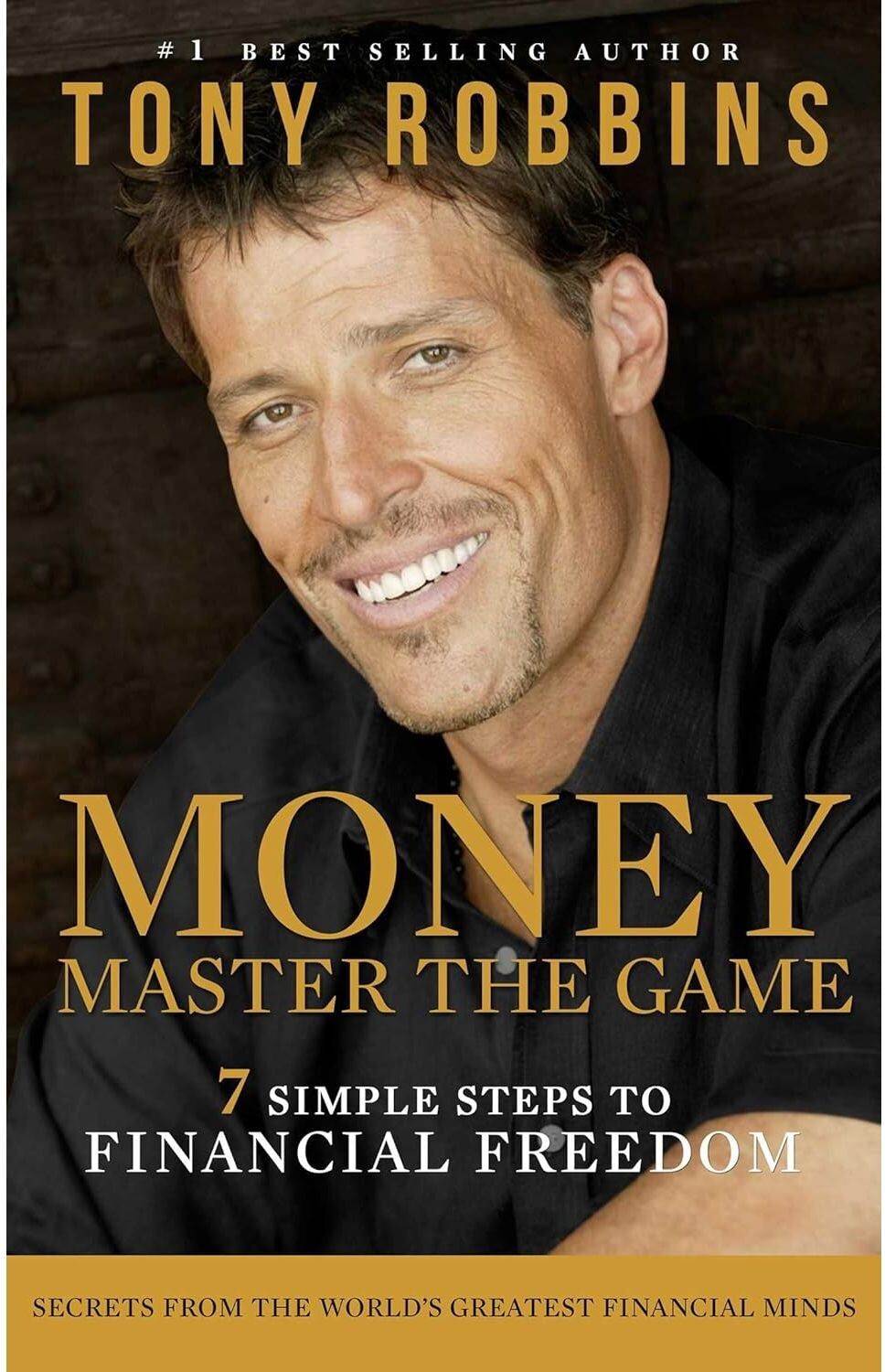
Simon & Schuster Money Master the Game - Anthony RobbinsTony Robbins, the multimillion-copy bestselling author of Awaken the Giant Within and Unlimited Power has created a 7-step blueprint for securing financial freedom. Based on extensive research and one-on-one interviews with more than 50 of the most legendary financial experts in the world - from Carl Icahn, to Warren Buffett, to Jack Bogle and Steve Forbes. Robbins has a brilliant way of using metaphor and story to illustrate even the most complex financial concepts - making them simple and actionable. With expert advice on our most important financial decisions, Robbins dispels the myths that often rob people of their financial dreams. Money: Master the Game contains expert advice for readers of every income level, providing guidance through the steps to become financially free by creating a lifetime income plan. This book delivers invaluable information and essential practices for getting your financial house in order. It's the book millions of people have been waiting for.7,95 £*Shipping: 2,99 £Secure redirect to the provider
-
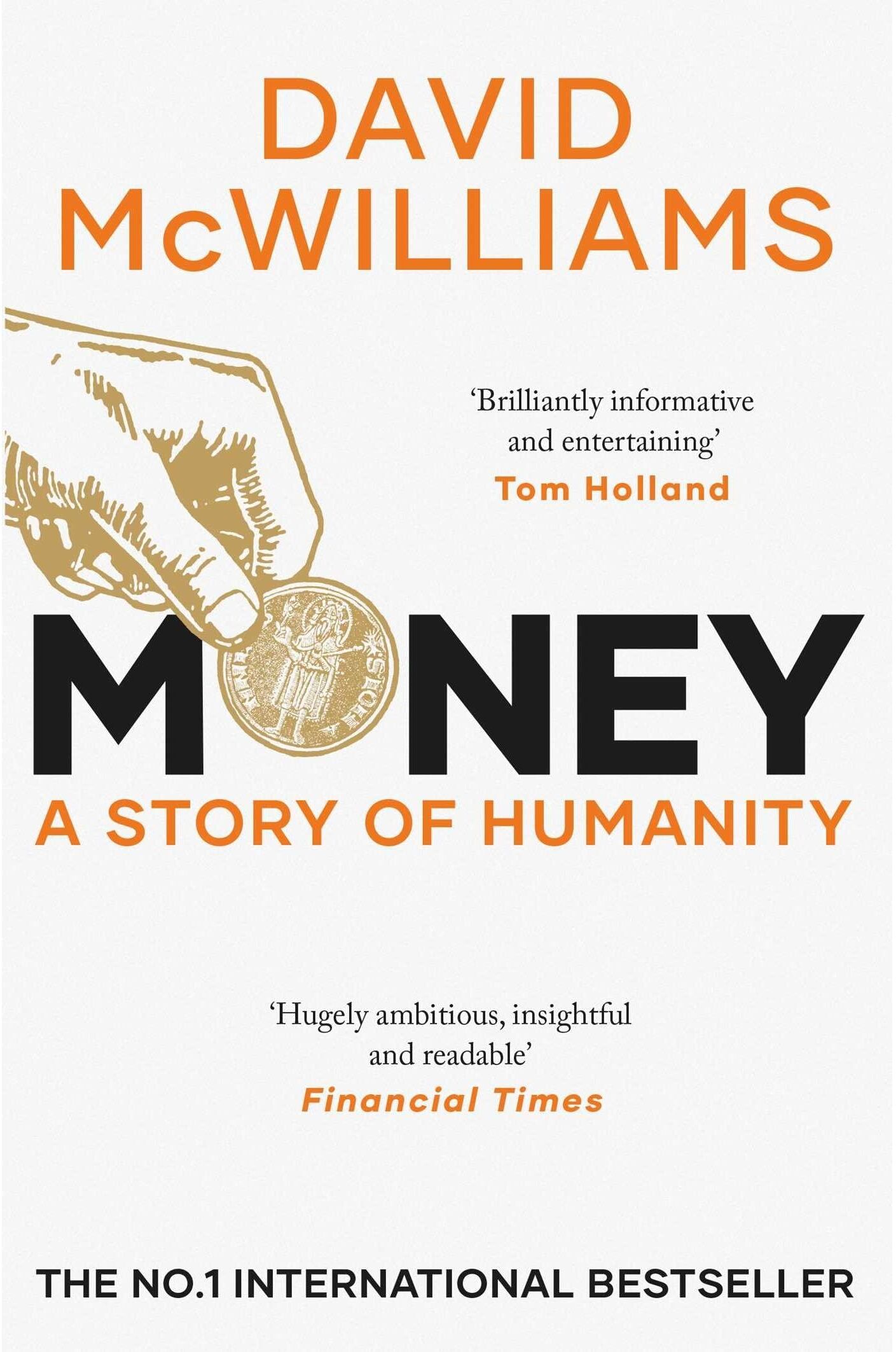
Simon & Schuster Money: A Story of Humanity by David McWilliams Economic History & Global Finance ExplainedIn Money: A Story of Humanity, renowned economist David McWilliams explores the fascinating history of money — not just as currency, but as a powerful force that has shaped human civilisation, relationships, technology, and global society. From ancient barter systems to cryptocurrency revolutions, McWilliams reveals how money reflects our values, ambitions, fears, politics, and culture.Rich with storytelling, sharp insights, and humour, this book makes complex economic ideas accessible, engaging, and deeply human. Perfect for readers who enjoy exploring how history, psychology, markets, and power intersect, Money: A Story of Humanity provides a fresh, eye-opening look at how money drives — and is driven by — human behaviour. Ideal for fans of Yuval Noah Harari, Tim Harford, Niall Ferguson, and Mary Beard.7,99 £*Shipping: 2,99 £Secure redirect to the provider
-
Harriman House Psychology of Money, The Trading Game and Money: A Story of Humanity 3 Books Collection SetPsychology of Money by Morgan Housel Doing well with money isn't necessarily about what you know. It's about how you behave. And behavior is hard to teach, even to really smart people. Money – investing, personal finance, and business decisions – is typically taught as a math-based field, where data and formulas tell us exactly what to do. But in the real world people don't make financial decisions on a spreadsheet. They make them at the dinner table, or in a meeting room, where personal history, your own unique view of the world, ego, pride, marketing, and odd incentives are scrambled together. The Trading Game by Gary Stevenson Ever since he was a kid, kicking broken footballs on the streets of East London in the shadow of Canary Wharf's skyscrapers, Gary wanted something better. Something a whole lot bigger. Then he won a competition run by a bank: 'The Trading Game'. The prize: a golden ticket to a new life, as the youngest trader in the whole city. A place where you could make more money than you'd ever imagined. Where your colleagues are dysfunctional maths geniuses, overfed public schoolboys and borderline psychopaths, yet they start to feel like family. Where soon you're the bank's most profitable trader, dealing in nearly a trillion dollars. A day. Where you dream of numbers in your sleep - and then stop sleeping at all. Money: A Story of Humanity by David McWilliams MONEY. The object of our desires. The engine of our genius. Humanity’s greatest invention. From clay tablets in Mesopotamia to today’s cryptocurrency, global economist David McWilliams takes us on an epic journey of innovation, disruption and transformation that is an astonishing new history of our species. The question is, over 5,000 years, have we changed money – or has money changed us?22,99 £*Shipping: 2,99 £Secure redirect to the provider
-
Should I borrow money or take out a loan?
Borrowing money and taking out a loan are essentially the same thing, as both involve receiving funds that need to be repaid with interest. Whether you should borrow money or take out a loan depends on your specific financial situation and needs. If you need a large sum of money for a specific purpose, such as buying a house or car, then taking out a loan from a bank or financial institution may be the best option. However, if you only need a small amount of money for a short period of time, borrowing from a friend or family member may be a better choice to avoid high interest rates and fees. It's important to carefully consider your options and assess your ability to repay the borrowed funds before making a decision. **
-
How long can Otto borrow money without interest?
Otto can borrow money without interest for up to 30 days. After 30 days, he will start incurring interest on the borrowed amount. It's important for Otto to repay the borrowed money within this interest-free period to avoid any additional costs. **
-
'Game or no interest?'
It depends on the individual's preferences and priorities. Some people may find games to be a fun and engaging way to pass the time and relax, while others may have no interest in them and prefer to spend their time on other activities. Ultimately, it comes down to personal preference and what brings joy and fulfillment to each person. **
-
When do you use the two words borrow and lend?
You use the word "borrow" when you are taking something from someone else with the intention of returning it. For example, "Can I borrow your book?" You use the word "lend" when you are giving something to someone else with the expectation that it will be returned. For example, "I can lend you my pen." **
Similar search terms for Game
-
Can every game lead to losing interest?
While it is possible for any game to lead to losing interest, it ultimately depends on the individual player and their preferences. Factors such as repetitive gameplay, lack of challenge, or uninteresting storylines can contribute to losing interest in a game. However, some players may find enjoyment in a game despite its flaws, while others may quickly lose interest even in highly acclaimed games. Ultimately, the likelihood of losing interest in a game varies from person to person. **
-
Can any game lead to losing interest?
Yes, any game has the potential to lead to losing interest. Factors such as repetitive gameplay, lack of challenge, or uninteresting storylines can contribute to a player losing interest in a game. Additionally, if a player feels overwhelmed or frustrated by the difficulty level of a game, they may also lose interest. It is important for game developers to continuously engage players with new content and challenges to maintain their interest over time. **
-
What is your interest in the game?
I am interested in the game because it allows me to engage in strategic thinking, problem-solving, and decision-making. I enjoy the challenge of outwitting my opponents and coming up with creative solutions to overcome obstacles. Additionally, the game provides a fun and competitive environment where I can test my skills and improve my abilities. Overall, my interest in the game stems from the mental stimulation and enjoyment it provides. **
-
How is the repayment of the KfW Education Loan done?
The repayment of the KfW Education Loan is typically done in monthly installments. Borrowers can choose to start repaying the loan either immediately after the disbursement of the funds or after a grace period of up to 18 months following the end of the standard period of study. The repayment period can extend up to 25 years, and the monthly installments are fixed for the first five years. After that, the monthly installments may be adjusted based on the borrower's income. Additionally, borrowers have the option to make early repayments or to pay off the loan in full without incurring any additional costs. **
* All prices are inclusive of VAT and, if applicable, plus shipping costs. The offer information is based on the details provided by the respective shop and is updated through automated processes. Real-time updates do not occur, so deviations can occur in individual cases. ** Note: Parts of this content were created by AI.