Buy loan-online.eu ?
We are moving the project
loan-online.eu .
Are you interested in purchasing the domain
loan-online.eu ?
domain@kv-gmbh.de · 0541-91531010
Buy loan-online.eu ?
Should I borrow money or take out a loan?
Borrowing money and taking out a loan are essentially the same thing, as both involve receiving funds that need to be repaid with interest. Whether you should borrow money or take out a loan depends on your specific financial situation and needs. If you need a large sum of money for a specific purpose, such as buying a house or car, then taking out a loan from a bank or financial institution may be the best option. However, if you only need a small amount of money for a short period of time, borrowing from a friend or family member may be a better choice to avoid high interest rates and fees. It's important to carefully consider your options and assess your ability to repay the borrowed funds before making a decision. **
How long can Otto borrow money without interest?
Otto can borrow money without interest for up to 30 days. After 30 days, he will start incurring interest on the borrowed amount. It's important for Otto to repay the borrowed money within this interest-free period to avoid any additional costs. **

Similar search terms for Life
Top-Angebote
Products related to Life:
-
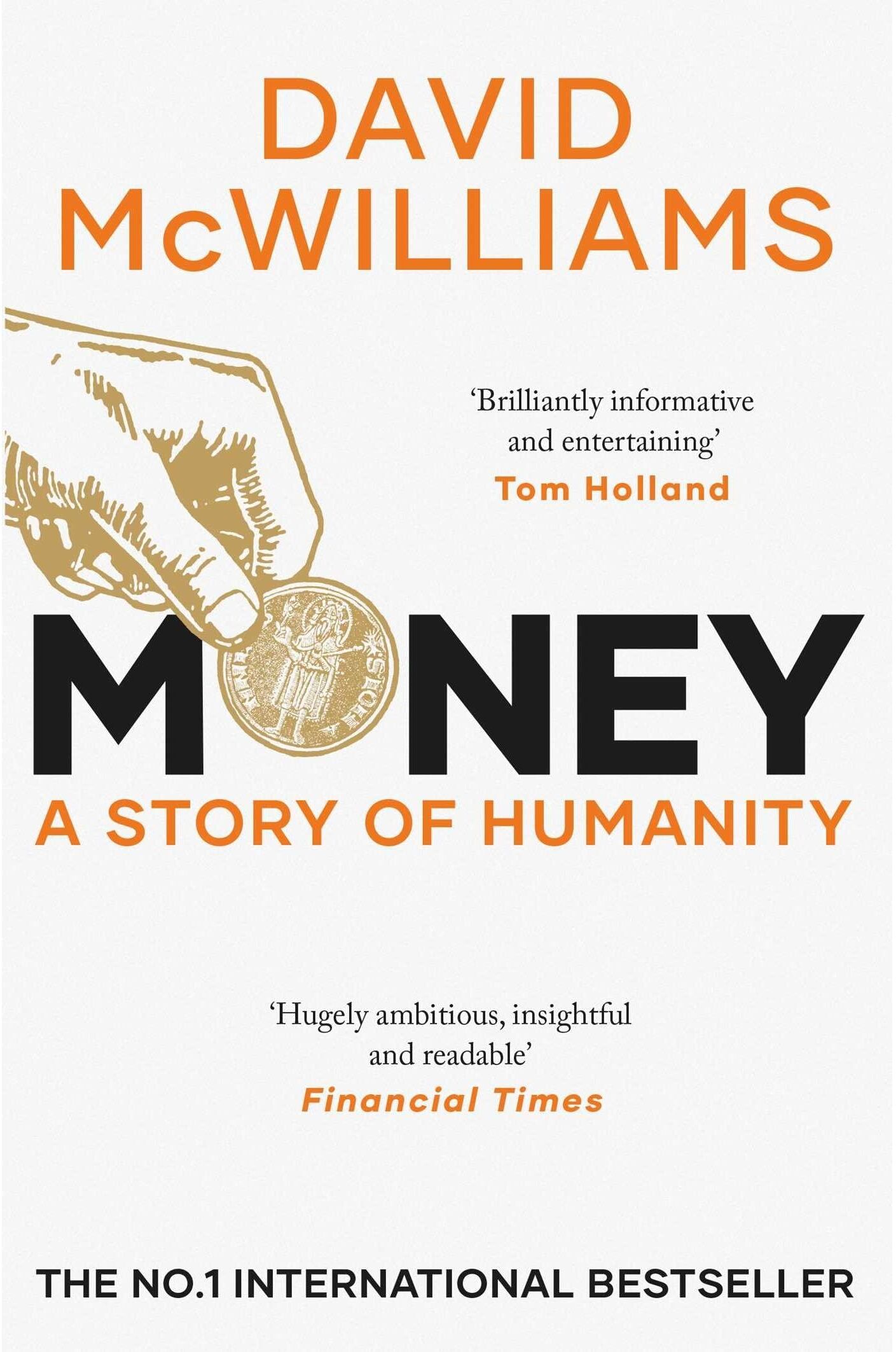
Simon & Schuster Money: A Story of Humanity by David McWilliams Economic History & Global Finance ExplainedIn Money: A Story of Humanity, renowned economist David McWilliams explores the fascinating history of money — not just as currency, but as a powerful force that has shaped human civilisation, relationships, technology, and global society. From ancient barter systems to cryptocurrency revolutions, McWilliams reveals how money reflects our values, ambitions, fears, politics, and culture.Rich with storytelling, sharp insights, and humour, this book makes complex economic ideas accessible, engaging, and deeply human. Perfect for readers who enjoy exploring how history, psychology, markets, and power intersect, Money: A Story of Humanity provides a fresh, eye-opening look at how money drives — and is driven by — human behaviour. Ideal for fans of Yuval Noah Harari, Tim Harford, Niall Ferguson, and Mary Beard.7,99 £*Shipping: 2,99 £Secure redirect to the provider
-
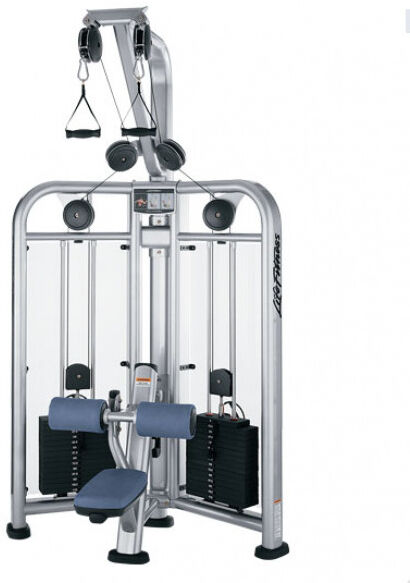
Life Fitness Life CMPD C/Motion PulldownCable Motionâ„¢ Technology from Life Fitness. It's multi-dimensional strength training. It's user-defined paths of motion that allow for an endless variety of exercises that build balance, stability, and power. It's infinite training choices - single stations, multi-use and multi-jungles. Turn...6768,00 £*Shipping: 0,00 £Secure redirect to the provider
-
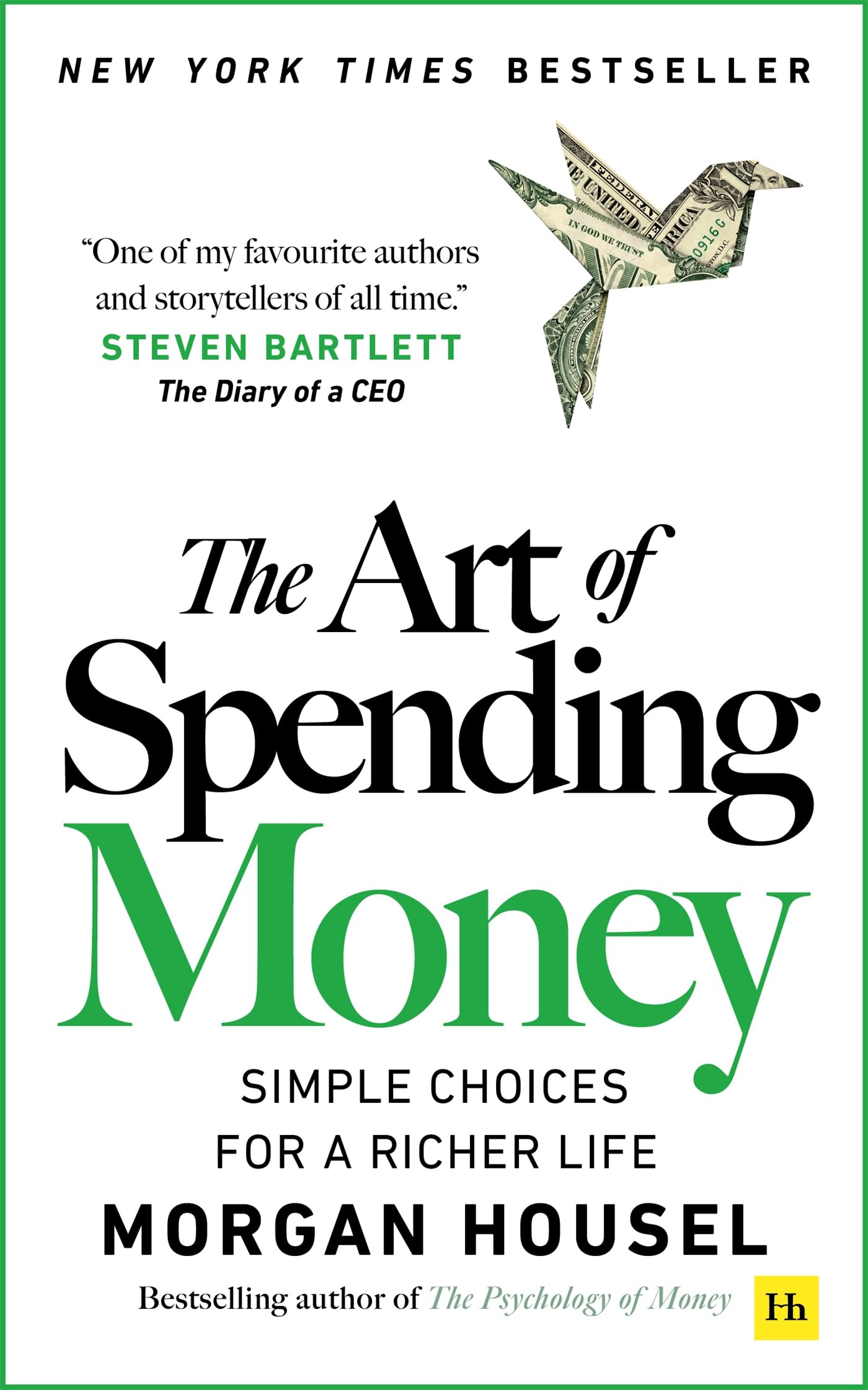
Harriman House The Art of Spending Money: Simple Choices for a Richer Life by Morgan HouselSimple lessons on harnessing the power of money to live a happier life. Can money buy happiness? Yes. Can spending it make you happier? Absolutely. Yet, many of us struggle to unlock its full potential – either by spending on things that don't bring as much joy as they should, or by avoiding investments that would truly enhance our mental well-being. In The Art of Spending Money, award-winning and global bestselling author Morgan Housel offers a refreshingly practical approach to managing wealth while finding deeper meaning and contentment. Instead of cookie-cutter financial advice, Housel provides you with psychological tools to navigate your personal relationship with money and optimise for happiness. Discover why people often mistake envy for admiration, how to align your expectations with your income, and ways to invest in future happiness while avoiding regret. Learn about the dangers of social debt and embrace the radical idea that the fastest way to build wealth is by going slow. The Art of Spending Money delves into the complexities that surround money – envy, social aspirations, identity, and insecurity – crucial aspects often missed in traditional financial books. Armed with new insights into money and wealth, you’ll learn to sidestep common spending traps, make smarter investing choices, and wield money to its fullest potential to enhance your enjoyment of life.10,99 £*Shipping: 2,99 £Secure redirect to the provider

-
What doesn't interest me in life?
What doesn't interest me in life is engaging in activities that are monotonous and lack creativity. I am not interested in pursuing endeavors that do not challenge me or allow me to grow personally and professionally. Additionally, I am not interested in surrounding myself with negative or toxic people who drain my energy and hinder my progress. Overall, I am not interested in living a life that lacks passion, purpose, and fulfillment. **
-
When do you use the two words borrow and lend?
You use the word "borrow" when you are taking something from someone else with the intention of returning it. For example, "Can I borrow your book?" You use the word "lend" when you are giving something to someone else with the expectation that it will be returned. For example, "I can lend you my pen." **
-
Does money equal life time?
Money can certainly impact how we spend our time and the quality of life we experience. Having more money can provide access to resources and opportunities that can enhance our well-being and potentially extend our lifespan. However, money alone does not equate to life time as there are many other factors that contribute to a fulfilling and meaningful life, such as relationships, health, and personal fulfillment. Ultimately, how we choose to prioritize and allocate our time is what truly determines the richness of our lives. **
-
How is the repayment of the KfW Education Loan done?
The repayment of the KfW Education Loan is typically done in monthly installments. Borrowers can choose to start repaying the loan either immediately after the disbursement of the funds or after a grace period of up to 18 months following the end of the standard period of study. The repayment period can extend up to 25 years, and the monthly installments are fixed for the first five years. After that, the monthly installments may be adjusted based on the borrower's income. Additionally, borrowers have the option to make early repayments or to pay off the loan in full without incurring any additional costs. **


How can one finance the entire life as a student?
One way to finance the entire life as a student is to apply for scholarships and grants, which do not need to be repaid. Additionally, working part-time or finding a paid internship can provide a steady source of income. It's also important to create a budget and stick to it, prioritizing essential expenses such as tuition, rent, and groceries. Finally, consider taking out student loans as a last resort, being mindful of the amount borrowed and the terms of repayment. **
Can parents borrow money?
Yes, parents can borrow money through various means such as personal loans, home equity loans, or lines of credit. However, it is important for parents to carefully consider the terms and interest rates of the loan before borrowing to ensure they can comfortably repay the borrowed amount. Additionally, parents may also consider alternative options such as financial assistance programs or grants to help cover expenses instead of borrowing money. **
Top-Angebote
Products related to Life:
-
Mariner Die with Zero: Getting All You Can from Your Money and Your Life - A Revolutionary Approach to Maximizing Life Experiences Over Accumulating WealthA common-sense guide to living rich . . . instead of dying rich Imagine if by the time you died, you did everything you were told to. You worked hard, saved your money, and looked forward to financial freedom when you retired. The only thing you wasted along the way was . . . your life. Die with Zero presents a startling new and provocative philosophy as well as a practical personal finance guide on how to get the most out of your money—and out of your life. It’s intended for those who place lifelong memorable experiences far ahead of simply making and accumulating money for one’s so-called “golden years.” In short, Bill Perkins wants to rescue you from over-saving and under-living. Regardless of your age, Die with Zero will teach you Perkins’s plan for optimizing your life and engaging in intentional lifestyle design, stage by stage, so you’re fully engaged and enjoying what you’ve worked and saved for. You’ll discover how to maximize your lifetime memorable moments with “time-bucketing,” how to convert your earnings into priceless memories by following your “net worth curve,” and how to navigate decisions about whether to invest in, or delay, a meaningful adventure with your “fulfillment curve” and “personal interest rate.” Using his own life experiences as well as the inspiring stories and cautionary tales of others—and drawing on eye-opening insights about time, money, and happiness from psychological science and behavioral finance—Perkins makes a timely, convincing, and contrarian case for living large. Rethink Retirement: Stop over-saving for a distant future and start using your money to create priceless memories now, when you have the health to enjoy them. Maximize Your Experiences: Learn the author’s strategy for "time-bucketing"―a powerful tool to ensure you have the experiences you want before it’s too late. A New Kind of Investment Strategy: Discover why your life's memorable moments are an investment that pays "memory dividends" for years to come. Smart Money Management: Follow your "net worth curve" and "fulfillment curve" to make smarter decisions about when to save and when to spend on meaningful adventures. Financial Freedom Now: Break free from the cycle of endless work and accumulation with a practical, step-by-step plan for living your richest life today.5,99 £*Shipping: 2,99 £Secure redirect to the provider
-
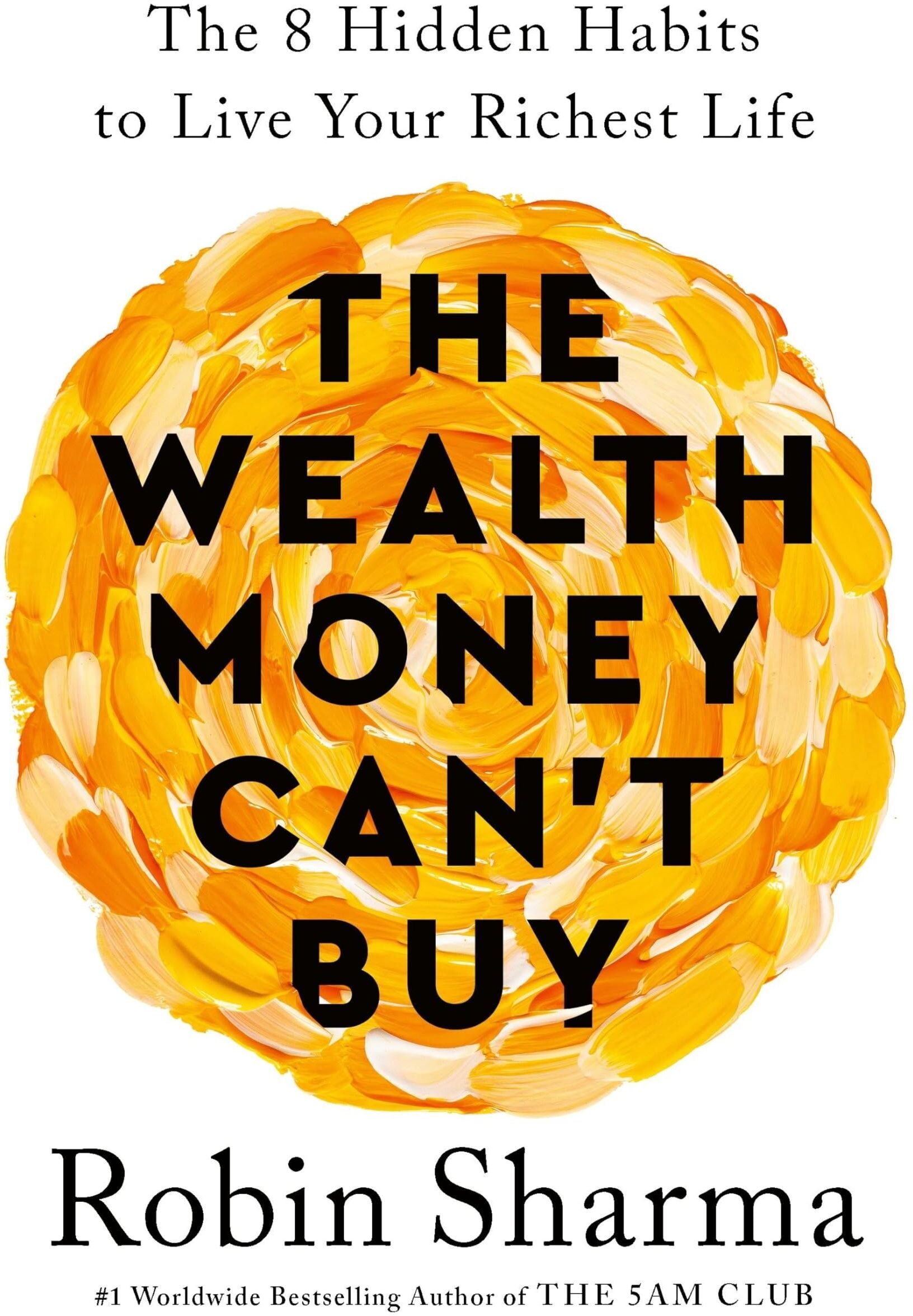
Rider The Wealth Money Can't Buy: The 8 Hidden Habits to Live Your Richest LifeA REVOLUTIONARY METHOD TO BECOME TRULY WEALTHY The Wealth Money Can't Buy offers you a completely life-changing new philosophy and methodology for enjoying an honestly rich life, one filled with personal power, authenticity, exceptionally fulfilling work and a beautiful lifestyle that will cause you to feel like real fortune has finally smiled on you. Based on The 8 Forms of Wealth learning model that Robin Sharma - legendary personal growth expert and famed mentor to billionaires, professional sports superstars and heads of state - has taught to his clients with transformational results, this masterwork is sure to become your daily guide to enjoying the lifetime of your highest dreams. Discover the hidden habits to live your richest life and avoid the lasting regrets of potential unfulfilled.9,49 £*Shipping: 2,99 £Secure redirect to the provider
-
Simon & Schuster Money: A Story of Humanity by David McWilliams Economic History & Global Finance ExplainedIn Money: A Story of Humanity, renowned economist David McWilliams explores the fascinating history of money — not just as currency, but as a powerful force that has shaped human civilisation, relationships, technology, and global society. From ancient barter systems to cryptocurrency revolutions, McWilliams reveals how money reflects our values, ambitions, fears, politics, and culture.Rich with storytelling, sharp insights, and humour, this book makes complex economic ideas accessible, engaging, and deeply human. Perfect for readers who enjoy exploring how history, psychology, markets, and power intersect, Money: A Story of Humanity provides a fresh, eye-opening look at how money drives — and is driven by — human behaviour. Ideal for fans of Yuval Noah Harari, Tim Harford, Niall Ferguson, and Mary Beard.7,99 £*Shipping: 2,99 £Secure redirect to the provider
-
Life Fitness Life CMPD C/Motion PulldownCable Motionâ„¢ Technology from Life Fitness. It's multi-dimensional strength training. It's user-defined paths of motion that allow for an endless variety of exercises that build balance, stability, and power. It's infinite training choices - single stations, multi-use and multi-jungles. Turn...6768,00 £*Shipping: 0,00 £Secure redirect to the provider
-
Should I borrow money or take out a loan?
Borrowing money and taking out a loan are essentially the same thing, as both involve receiving funds that need to be repaid with interest. Whether you should borrow money or take out a loan depends on your specific financial situation and needs. If you need a large sum of money for a specific purpose, such as buying a house or car, then taking out a loan from a bank or financial institution may be the best option. However, if you only need a small amount of money for a short period of time, borrowing from a friend or family member may be a better choice to avoid high interest rates and fees. It's important to carefully consider your options and assess your ability to repay the borrowed funds before making a decision. **
-
How long can Otto borrow money without interest?
Otto can borrow money without interest for up to 30 days. After 30 days, he will start incurring interest on the borrowed amount. It's important for Otto to repay the borrowed money within this interest-free period to avoid any additional costs. **
-
What doesn't interest me in life?
What doesn't interest me in life is engaging in activities that are monotonous and lack creativity. I am not interested in pursuing endeavors that do not challenge me or allow me to grow personally and professionally. Additionally, I am not interested in surrounding myself with negative or toxic people who drain my energy and hinder my progress. Overall, I am not interested in living a life that lacks passion, purpose, and fulfillment. **
-
When do you use the two words borrow and lend?
You use the word "borrow" when you are taking something from someone else with the intention of returning it. For example, "Can I borrow your book?" You use the word "lend" when you are giving something to someone else with the expectation that it will be returned. For example, "I can lend you my pen." **
Similar search terms for Life
-
Harriman House The Art of Spending Money: Simple Choices for a Richer Life by Morgan HouselSimple lessons on harnessing the power of money to live a happier life. Can money buy happiness? Yes. Can spending it make you happier? Absolutely. Yet, many of us struggle to unlock its full potential – either by spending on things that don't bring as much joy as they should, or by avoiding investments that would truly enhance our mental well-being. In The Art of Spending Money, award-winning and global bestselling author Morgan Housel offers a refreshingly practical approach to managing wealth while finding deeper meaning and contentment. Instead of cookie-cutter financial advice, Housel provides you with psychological tools to navigate your personal relationship with money and optimise for happiness. Discover why people often mistake envy for admiration, how to align your expectations with your income, and ways to invest in future happiness while avoiding regret. Learn about the dangers of social debt and embrace the radical idea that the fastest way to build wealth is by going slow. The Art of Spending Money delves into the complexities that surround money – envy, social aspirations, identity, and insecurity – crucial aspects often missed in traditional financial books. Armed with new insights into money and wealth, you’ll learn to sidestep common spending traps, make smarter investing choices, and wield money to its fullest potential to enhance your enjoyment of life.10,99 £*Shipping: 2,99 £Secure redirect to the provider
-
Does money equal life time?
Money can certainly impact how we spend our time and the quality of life we experience. Having more money can provide access to resources and opportunities that can enhance our well-being and potentially extend our lifespan. However, money alone does not equate to life time as there are many other factors that contribute to a fulfilling and meaningful life, such as relationships, health, and personal fulfillment. Ultimately, how we choose to prioritize and allocate our time is what truly determines the richness of our lives. **
-
How is the repayment of the KfW Education Loan done?
The repayment of the KfW Education Loan is typically done in monthly installments. Borrowers can choose to start repaying the loan either immediately after the disbursement of the funds or after a grace period of up to 18 months following the end of the standard period of study. The repayment period can extend up to 25 years, and the monthly installments are fixed for the first five years. After that, the monthly installments may be adjusted based on the borrower's income. Additionally, borrowers have the option to make early repayments or to pay off the loan in full without incurring any additional costs. **
-
How can one finance the entire life as a student?
One way to finance the entire life as a student is to apply for scholarships and grants, which do not need to be repaid. Additionally, working part-time or finding a paid internship can provide a steady source of income. It's also important to create a budget and stick to it, prioritizing essential expenses such as tuition, rent, and groceries. Finally, consider taking out student loans as a last resort, being mindful of the amount borrowed and the terms of repayment. **
-
Can parents borrow money?
Yes, parents can borrow money through various means such as personal loans, home equity loans, or lines of credit. However, it is important for parents to carefully consider the terms and interest rates of the loan before borrowing to ensure they can comfortably repay the borrowed amount. Additionally, parents may also consider alternative options such as financial assistance programs or grants to help cover expenses instead of borrowing money. **
* All prices are inclusive of VAT and, if applicable, plus shipping costs. The offer information is based on the details provided by the respective shop and is updated through automated processes. Real-time updates do not occur, so deviations can occur in individual cases. ** Note: Parts of this content were created by AI.