Buy loan-online.eu ?
We are moving the project
loan-online.eu .
Are you interested in purchasing the domain
loan-online.eu ?
domain@kv-gmbh.de · 0541-91531010
Buy loan-online.eu ?
Should I borrow money or take out a loan?
Borrowing money and taking out a loan are essentially the same thing, as both involve receiving funds that need to be repaid with interest. Whether you should borrow money or take out a loan depends on your specific financial situation and needs. If you need a large sum of money for a specific purpose, such as buying a house or car, then taking out a loan from a bank or financial institution may be the best option. However, if you only need a small amount of money for a short period of time, borrowing from a friend or family member may be a better choice to avoid high interest rates and fees. It's important to carefully consider your options and assess your ability to repay the borrowed funds before making a decision. **
What is the economic principle: the principle of minimum or the principle of maximum?
The principle of minimum and the principle of maximum are economic principles that relate to decision-making. The principle of minimum states that individuals or firms will seek to minimize their costs or inputs in order to achieve a certain level of output or outcome. On the other hand, the principle of maximum states that individuals or firms will seek to maximize their benefits or outputs given a certain level of inputs or costs. Both principles are important in guiding economic decision-making and resource allocation. **

Similar search terms for Principle
Top-Angebote
Products related to Principle:
-
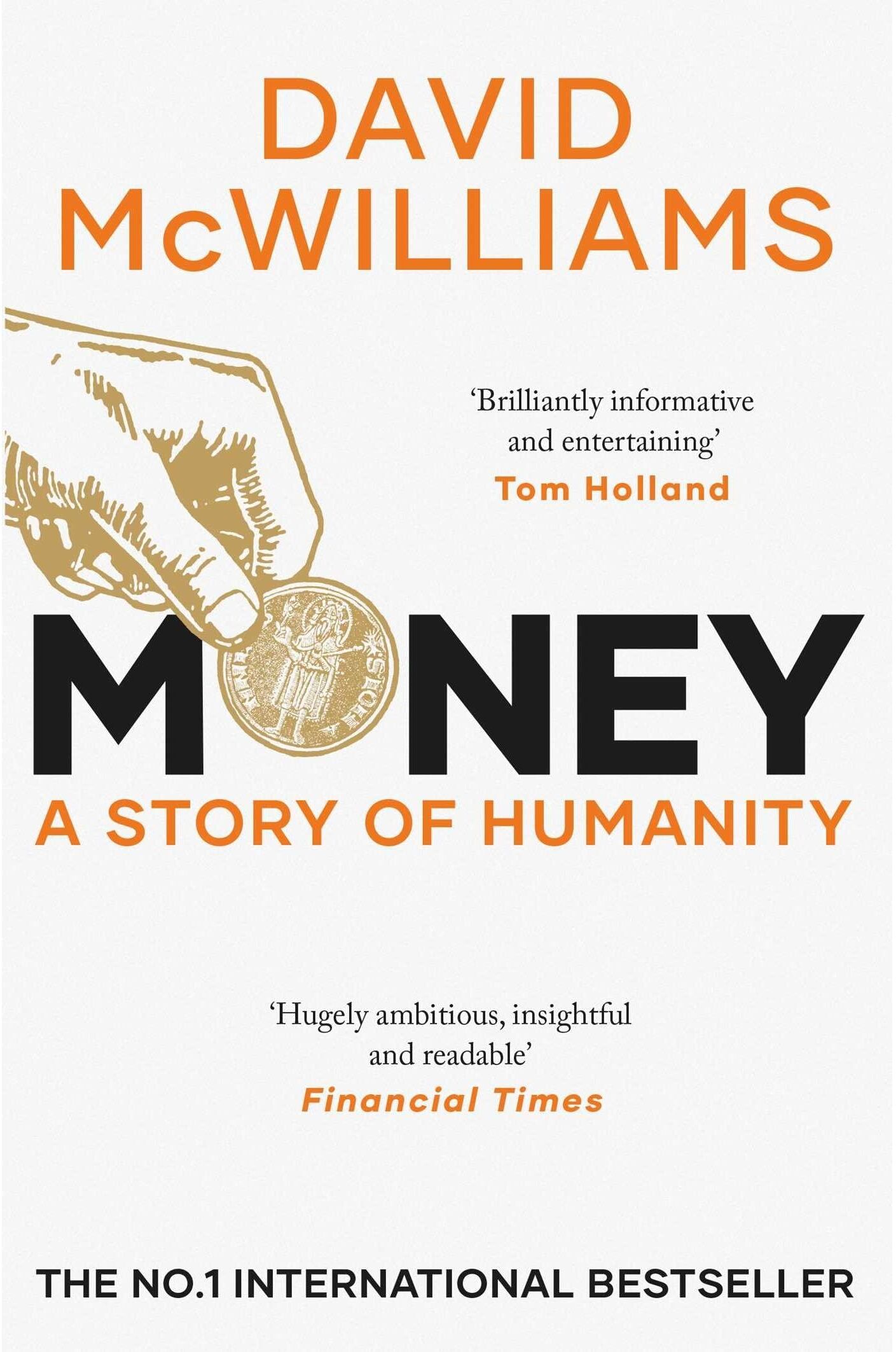
Simon & Schuster Money: A Story of Humanity by David McWilliams Economic History & Global Finance ExplainedIn Money: A Story of Humanity, renowned economist David McWilliams explores the fascinating history of money — not just as currency, but as a powerful force that has shaped human civilisation, relationships, technology, and global society. From ancient barter systems to cryptocurrency revolutions, McWilliams reveals how money reflects our values, ambitions, fears, politics, and culture.Rich with storytelling, sharp insights, and humour, this book makes complex economic ideas accessible, engaging, and deeply human. Perfect for readers who enjoy exploring how history, psychology, markets, and power intersect, Money: A Story of Humanity provides a fresh, eye-opening look at how money drives — and is driven by — human behaviour. Ideal for fans of Yuval Noah Harari, Tim Harford, Niall Ferguson, and Mary Beard.7,99 £*Shipping: 2,99 £Secure redirect to the provider
-
Nicholas Brealey Publishing The 80/20 Principle, Atomic Habits, How to Talk to Anyone Collection 3 Books Set by Richard Koch, James Clear, Leil LowndesThe 80/20 Principle The unspoken corollary to the 80/20 principle is that little of what you spend your time on actually counts. But by concentrating on those things that do, you can unlock the enormous potential of the magic 20 percent. Discover how to identify the few methods that will lead to great results, and use them alone. Avoid hard work. Don't push water uphill. Be very selective in what you do. Have a great life. Atomic Habits People think that when you want to change your life, you need to think big. But world-renowned habits expert James Clear has discovered another way. He knows that real change comes from the compound effect of hundreds of small decisions: doing two push-ups a day, waking up five minutes early, or holding a single short phone call. He calls them atomic habits. In this ground-breaking book, Clears reveals exactly how these minuscule changes can grow into such life-altering outcomes. How to Talk to Anyone Never be at a loss for words again! Perfect your people skills with his fun, witty and informative guide, containing 92 little tricks to create big success in personal and business relationships. In How To Talk To Anyone, bestselling relationships author and internationally renowned life coach Leil Lowndes reveals the secrets and psychology behind successful communication16,50 £*Shipping: 2,99 £Secure redirect to the provider
-
Perfect Picks Market Toy Cash Register For Kids, Checkout Scanner, Play Money Food Set, , Credit Card Machine, Fruit Card Reader Toy Cash Register For Kids, Checkout Scanner, Play Money Food Set, , Credit Card Machine, Fruit Card ReaderEngage Your Child with Playful Learning The 33PCS Toy Cash Register for Kids with Checkout Scanner is a perfect way to help children develop essential skills while having fun! Designed for little ones, this interactive toy includes a realistic...59,97 $*Shipping: 0,00 $Secure redirect to the provider
-
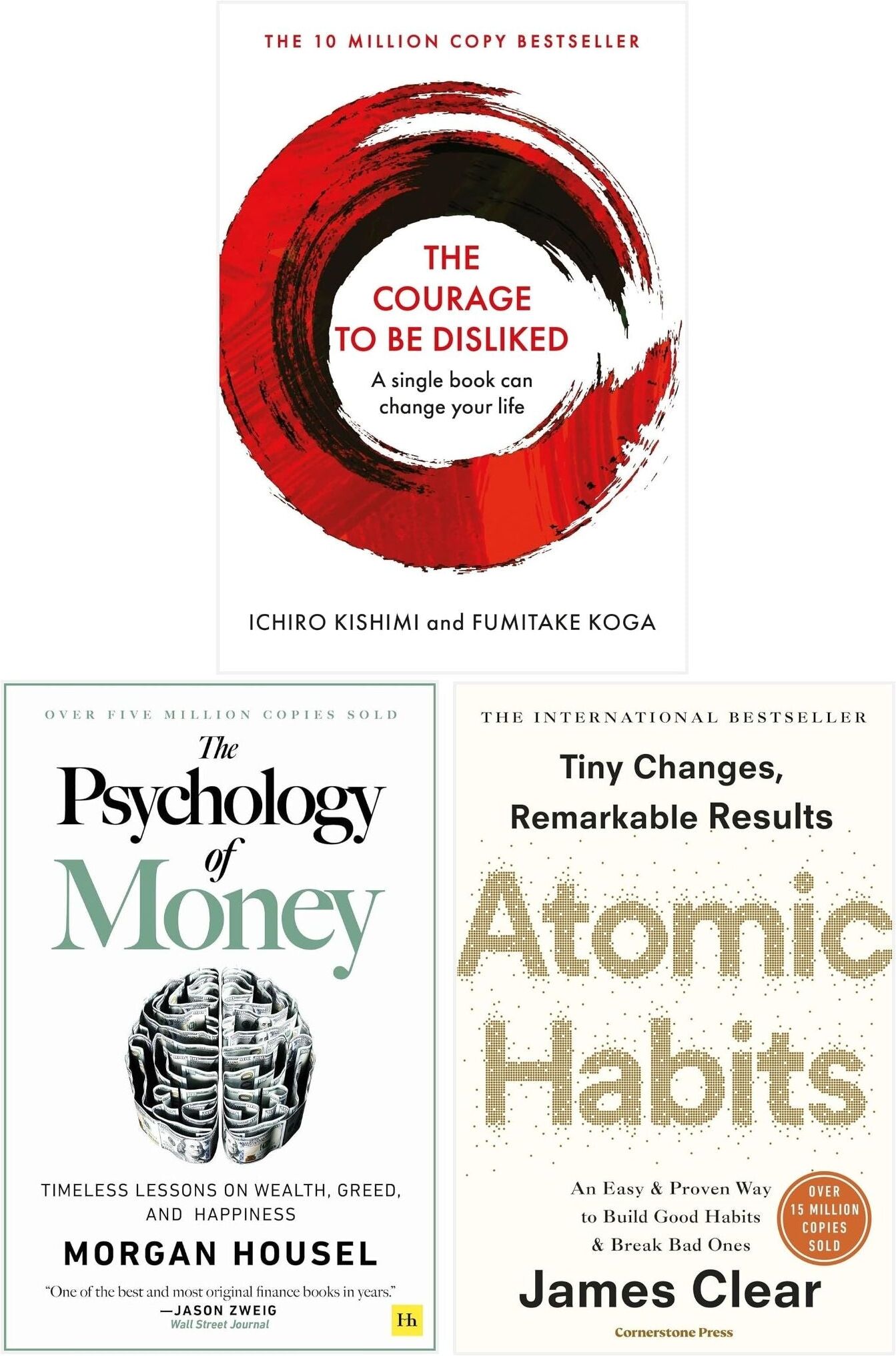
Harriman House The Psychology of Money, Atomic Habits & The Courage to Be Disliked – 3 Book Collection Set Bestselling Self-Development, Personal Finance, Self-HelUpgrade your mindset, habits, and financial thinking with this powerful 3-book collection set, featuring three of the most influential modern self-development titles. This essential bundle includes: The Psychology of Money by Morgan Housel – Discover how emotions and behaviour shape financial decisions and long-term wealth. Atomic Habits by James Clear – Learn how small habits can create powerful, lasting change. The Courage to Be Disliked by Ichiro Kishimi & Fumitake Koga** – Explore a transformative approach to happiness, freedom, and self-acceptance based on Adlerian psychology. Together, these books offer a complete guide to financial wisdom, personal growth, emotional resilience, and habit-building, making this set ideal for anyone looking to improve their life and mindset. Why Readers Love This Collection: Includes 3 bestselling modern self-development books Covers money, habits, mindset, and personal freedom Practical, easy-to-apply life lessons Perfect for beginners and experienced readers alike Ideal gift for motivation and self-improvement A must-have for anyone on a journey of personal growth, this collection delivers powerful insights for building a better, more successful life.22,99 £*Shipping: 2,99 £Secure redirect to the provider


-
What is the principle of the key-lock principle?
The key-lock principle is based on the idea that certain molecules or structures (keys) can fit into specific receptors or binding sites (locks) with high specificity and affinity. This principle is commonly used to describe the interaction between enzymes and their substrates, where the enzyme (lock) has a specific active site that perfectly fits the substrate (key), allowing for efficient catalysis. The key-lock principle highlights the importance of complementary shapes and chemical properties between molecules for effective interactions to occur. **
-
How long can Otto borrow money without interest?
Otto can borrow money without interest for up to 30 days. After 30 days, he will start incurring interest on the borrowed amount. It's important for Otto to repay the borrowed money within this interest-free period to avoid any additional costs. **
-
What is the ping-pong principle or the hourglass principle?
The ping-pong principle, also known as the hourglass principle, is a communication strategy where information is exchanged back and forth between two parties in a structured and concise manner. It involves each party taking turns to speak or provide input, similar to a game of ping-pong. This principle ensures that communication is balanced, effective, and allows for active listening and engagement from both parties. It helps to maintain a focused and productive conversation by preventing one party from dominating the discussion. **
-
What is the rocket principle and the principle of recoil?
The rocket principle states that for every action, there is an equal and opposite reaction. This means that when a rocket expels gas out of its engines, the force of the gas pushing out is matched by an equal force pushing the rocket in the opposite direction. The principle of recoil is similar, stating that when a gun is fired, the force of the bullet being expelled from the barrel is matched by an equal force pushing the gun in the opposite direction. Both principles are based on Newton's third law of motion, which describes the relationship between the forces acting on two interacting objects. **


Does the principle of solidarity correspond to the principle of equivalence?
The principle of solidarity and the principle of equivalence are related but not the same. The principle of solidarity emphasizes mutual support and collective responsibility within a community, while the principle of equivalence focuses on equal treatment and fairness. Solidarity often involves individuals or groups providing assistance or resources to those in need, even if they have not contributed equally, whereas equivalence typically requires treating individuals or groups in the same way based on certain criteria. Both principles aim to promote fairness and justice, but they operate in slightly different ways. **
What are the principle of operation and the principle of object?
The principle of operation refers to the fundamental method or process by which something functions or operates. It outlines the underlying rules or guidelines that govern how a system or device works. On the other hand, the principle of object pertains to the main focus or purpose of a particular entity or concept. It defines the central idea or goal that the object is designed to achieve or represent. Both principles are essential in understanding the functionality and significance of a system or object. **
Top-Angebote
Products related to Principle:
-
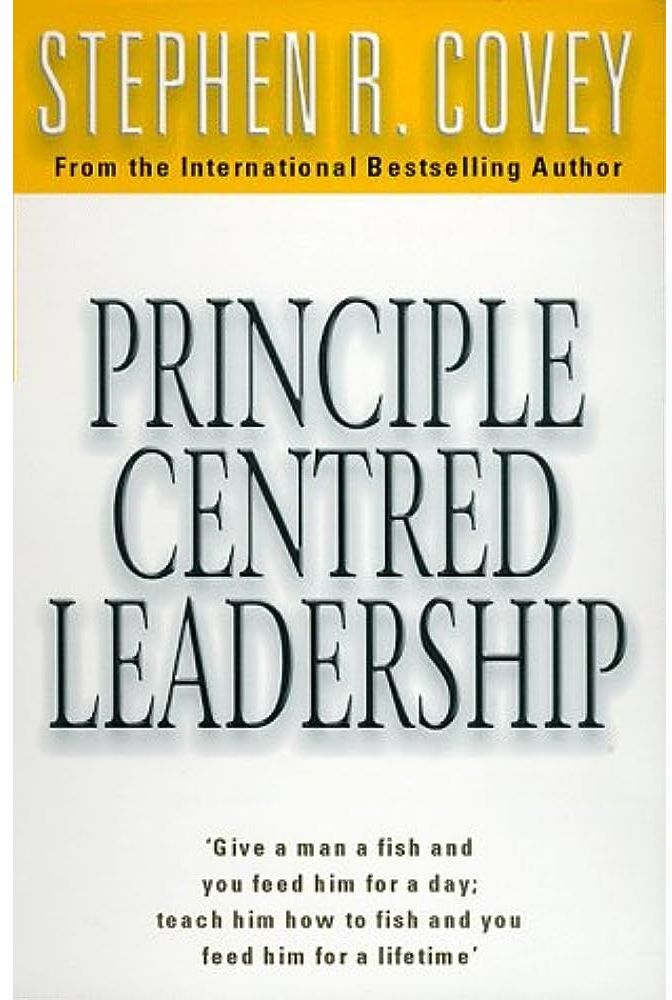
Simon & Schuster Principle Centred Leadership by Stephen R CoveyPRINCIPLE CENTRED LEADERSHIP will help solve these dilemmas - and many others:* how do we achieve a wise and renewing balance between work and family in the midst of constant pressures and crises?* how do we unleash the creativity, talent and energy of the vast majority of the work force, whose jobs neither require nor reward such resources?* how can we have a culture characterised by change, flexibility and continuous improvement and still maintain a sense of stability and security?* how do we create team spirit and harmony among people and departments that have been criticising and attacking each other for years?* how do we get people and culture aligned with strategy, so that everyone in an organisation is as committed to the strategy as those who formulated it?6,99 £*Shipping: 2,99 £Secure redirect to the provider
-
John Murray The 80/20 Principle : The Secret of Achieving More with Less: by Richard KochREAD THIS BOOK AND USE IT - TIM FERRISS Twenty years after its first publication, The 80/20 Principle is a global bestseller read by millions of highly effective people around the world. Now, it is more powerful and essential than ever. In the past, the principle gave those who used it a serious advantage.In the future, it will be the essential tool for anyone who wants to succeed. And it is powerful. Based on the counter-intuitive but widespread fact that 80% of results flow from 20% of causes, The 80/20 Principle shows how you can achieve much more with much less effort, time and resources, simply by concentrating on the all-important 20%.This major new edition includes four brand new chapters showing how to: Use the rise of networks to your advantage Benefit from more acute 90/10 and 99/1 forms of the principle Tap into your subconscious to exert a super-potent and amazingly favourable influence on your life Enjoy greater success with 5 mega rules to live by5,95 £*Shipping: 2,99 £Secure redirect to the provider
-
Simon & Schuster Money: A Story of Humanity by David McWilliams Economic History & Global Finance ExplainedIn Money: A Story of Humanity, renowned economist David McWilliams explores the fascinating history of money — not just as currency, but as a powerful force that has shaped human civilisation, relationships, technology, and global society. From ancient barter systems to cryptocurrency revolutions, McWilliams reveals how money reflects our values, ambitions, fears, politics, and culture.Rich with storytelling, sharp insights, and humour, this book makes complex economic ideas accessible, engaging, and deeply human. Perfect for readers who enjoy exploring how history, psychology, markets, and power intersect, Money: A Story of Humanity provides a fresh, eye-opening look at how money drives — and is driven by — human behaviour. Ideal for fans of Yuval Noah Harari, Tim Harford, Niall Ferguson, and Mary Beard.7,99 £*Shipping: 2,99 £Secure redirect to the provider
-
Nicholas Brealey Publishing The 80/20 Principle, Atomic Habits, How to Talk to Anyone Collection 3 Books Set by Richard Koch, James Clear, Leil LowndesThe 80/20 Principle The unspoken corollary to the 80/20 principle is that little of what you spend your time on actually counts. But by concentrating on those things that do, you can unlock the enormous potential of the magic 20 percent. Discover how to identify the few methods that will lead to great results, and use them alone. Avoid hard work. Don't push water uphill. Be very selective in what you do. Have a great life. Atomic Habits People think that when you want to change your life, you need to think big. But world-renowned habits expert James Clear has discovered another way. He knows that real change comes from the compound effect of hundreds of small decisions: doing two push-ups a day, waking up five minutes early, or holding a single short phone call. He calls them atomic habits. In this ground-breaking book, Clears reveals exactly how these minuscule changes can grow into such life-altering outcomes. How to Talk to Anyone Never be at a loss for words again! Perfect your people skills with his fun, witty and informative guide, containing 92 little tricks to create big success in personal and business relationships. In How To Talk To Anyone, bestselling relationships author and internationally renowned life coach Leil Lowndes reveals the secrets and psychology behind successful communication16,50 £*Shipping: 2,99 £Secure redirect to the provider
-
Should I borrow money or take out a loan?
Borrowing money and taking out a loan are essentially the same thing, as both involve receiving funds that need to be repaid with interest. Whether you should borrow money or take out a loan depends on your specific financial situation and needs. If you need a large sum of money for a specific purpose, such as buying a house or car, then taking out a loan from a bank or financial institution may be the best option. However, if you only need a small amount of money for a short period of time, borrowing from a friend or family member may be a better choice to avoid high interest rates and fees. It's important to carefully consider your options and assess your ability to repay the borrowed funds before making a decision. **
-
What is the economic principle: the principle of minimum or the principle of maximum?
The principle of minimum and the principle of maximum are economic principles that relate to decision-making. The principle of minimum states that individuals or firms will seek to minimize their costs or inputs in order to achieve a certain level of output or outcome. On the other hand, the principle of maximum states that individuals or firms will seek to maximize their benefits or outputs given a certain level of inputs or costs. Both principles are important in guiding economic decision-making and resource allocation. **
-
What is the principle of the key-lock principle?
The key-lock principle is based on the idea that certain molecules or structures (keys) can fit into specific receptors or binding sites (locks) with high specificity and affinity. This principle is commonly used to describe the interaction between enzymes and their substrates, where the enzyme (lock) has a specific active site that perfectly fits the substrate (key), allowing for efficient catalysis. The key-lock principle highlights the importance of complementary shapes and chemical properties between molecules for effective interactions to occur. **
-
How long can Otto borrow money without interest?
Otto can borrow money without interest for up to 30 days. After 30 days, he will start incurring interest on the borrowed amount. It's important for Otto to repay the borrowed money within this interest-free period to avoid any additional costs. **
Similar search terms for Principle
-
Perfect Picks Market Toy Cash Register For Kids, Checkout Scanner, Play Money Food Set, , Credit Card Machine, Fruit Card Reader Toy Cash Register For Kids, Checkout Scanner, Play Money Food Set, , Credit Card Machine, Fruit Card ReaderEngage Your Child with Playful Learning The 33PCS Toy Cash Register for Kids with Checkout Scanner is a perfect way to help children develop essential skills while having fun! Designed for little ones, this interactive toy includes a realistic...59,97 $*Shipping: 0,00 $Secure redirect to the provider
-
Harriman House The Psychology of Money, Atomic Habits & The Courage to Be Disliked – 3 Book Collection Set Bestselling Self-Development, Personal Finance, Self-HelUpgrade your mindset, habits, and financial thinking with this powerful 3-book collection set, featuring three of the most influential modern self-development titles. This essential bundle includes: The Psychology of Money by Morgan Housel – Discover how emotions and behaviour shape financial decisions and long-term wealth. Atomic Habits by James Clear – Learn how small habits can create powerful, lasting change. The Courage to Be Disliked by Ichiro Kishimi & Fumitake Koga** – Explore a transformative approach to happiness, freedom, and self-acceptance based on Adlerian psychology. Together, these books offer a complete guide to financial wisdom, personal growth, emotional resilience, and habit-building, making this set ideal for anyone looking to improve their life and mindset. Why Readers Love This Collection: Includes 3 bestselling modern self-development books Covers money, habits, mindset, and personal freedom Practical, easy-to-apply life lessons Perfect for beginners and experienced readers alike Ideal gift for motivation and self-improvement A must-have for anyone on a journey of personal growth, this collection delivers powerful insights for building a better, more successful life.22,99 £*Shipping: 2,99 £Secure redirect to the provider
-
Canelo Ltd. Kiley Dunbar Borrow a Bookshop Series Collection 3 Books SetThe Borrow a Bookshop Holiday Jude Crawley should be on top of the world. She's just graduated as a mature student, so can finally go public about her relationship with Philosophy professor, Mack. Until she sees Mack kissing another girl, and her dreams crumble. And worse, their dream holiday - running a tiny bookshop in the harbour village of Clove Lore for two weeks - is non-refundable. Throwing caution to the winds, Jude heads down to Devon, eager to immerse herself in literature and heal her broken heart. Something New at the Borrow a Bookshop The Borrow-a-Bookshop is recovering, seven months on from the winter flood that destroyed all its stock, and the latest temporary bookseller, Joy Foley, arrives in Clove Lore with her daughter, five-year-old Radia Pearl. As a tech expert, she'll be working on dragging the Bookshop into the twenty-first century. But what no one knows is that Joy is running from Radia Pearl's father. She can't settle down here or anywhere ... moving on is how she stays safe. So when Radia befriends Monty Bickleigh, ex-fisherman and the new cook at The Siren's Tail pub, despite herself, Joy finds herself growing closer to him, and the quirky community of Clove Lore. Love Letters at the Borrow a Bookshop Austen Archer is on her dream solo bookselling holiday, the new 'borrower' at the Borrow-A-Bookshop in Devon's Clove Lore. While she has always loved poetry, her words have dried up since being fired by her last boss, bestselling author, Callista Flyte, a year ago. Austen distracts herself with the Borrow-A-Bookshop, as well as her flirty online exchanges with an anonymous Parisian bookseller. Hiding from the world, Austen doesn't notice that wedding planner, Patti, is falling for her - and is too afraid to admit that she feels the chemistry too.10,99 £*Shipping: 2,99 £Secure redirect to the provider
-
What is the ping-pong principle or the hourglass principle?
The ping-pong principle, also known as the hourglass principle, is a communication strategy where information is exchanged back and forth between two parties in a structured and concise manner. It involves each party taking turns to speak or provide input, similar to a game of ping-pong. This principle ensures that communication is balanced, effective, and allows for active listening and engagement from both parties. It helps to maintain a focused and productive conversation by preventing one party from dominating the discussion. **
-
What is the rocket principle and the principle of recoil?
The rocket principle states that for every action, there is an equal and opposite reaction. This means that when a rocket expels gas out of its engines, the force of the gas pushing out is matched by an equal force pushing the rocket in the opposite direction. The principle of recoil is similar, stating that when a gun is fired, the force of the bullet being expelled from the barrel is matched by an equal force pushing the gun in the opposite direction. Both principles are based on Newton's third law of motion, which describes the relationship between the forces acting on two interacting objects. **
-
Does the principle of solidarity correspond to the principle of equivalence?
The principle of solidarity and the principle of equivalence are related but not the same. The principle of solidarity emphasizes mutual support and collective responsibility within a community, while the principle of equivalence focuses on equal treatment and fairness. Solidarity often involves individuals or groups providing assistance or resources to those in need, even if they have not contributed equally, whereas equivalence typically requires treating individuals or groups in the same way based on certain criteria. Both principles aim to promote fairness and justice, but they operate in slightly different ways. **
-
What are the principle of operation and the principle of object?
The principle of operation refers to the fundamental method or process by which something functions or operates. It outlines the underlying rules or guidelines that govern how a system or device works. On the other hand, the principle of object pertains to the main focus or purpose of a particular entity or concept. It defines the central idea or goal that the object is designed to achieve or represent. Both principles are essential in understanding the functionality and significance of a system or object. **
* All prices are inclusive of VAT and, if applicable, plus shipping costs. The offer information is based on the details provided by the respective shop and is updated through automated processes. Real-time updates do not occur, so deviations can occur in individual cases. ** Note: Parts of this content were created by AI.