Buy loan-online.eu ?
We are moving the project
loan-online.eu .
Are you interested in purchasing the domain
loan-online.eu ?
domain@kv-gmbh.de · 0541-91531010
Buy loan-online.eu ?
Is redistribution unfair?
The fairness of redistribution depends on one's perspective. Some argue that redistribution is unfair because it takes from those who have earned their wealth and gives to those who have not. Others argue that redistribution is fair because it helps to address economic inequality and provide opportunities for those who are less fortunate. Ultimately, the fairness of redistribution is a complex and subjective issue that depends on one's values and beliefs about equality and justice. **
What is redistribution?
Redistribution refers to the process of reallocating resources, wealth, or opportunities from one group or individual to another in order to reduce economic inequality. This can be done through various means such as taxation, social welfare programs, or government policies aimed at providing more equal access to resources and opportunities. The goal of redistribution is to create a more equitable society by ensuring that everyone has a fair chance to succeed and access to basic necessities. **

Similar search terms for Redistribution
Top-Angebote
Products related to Redistribution:
-
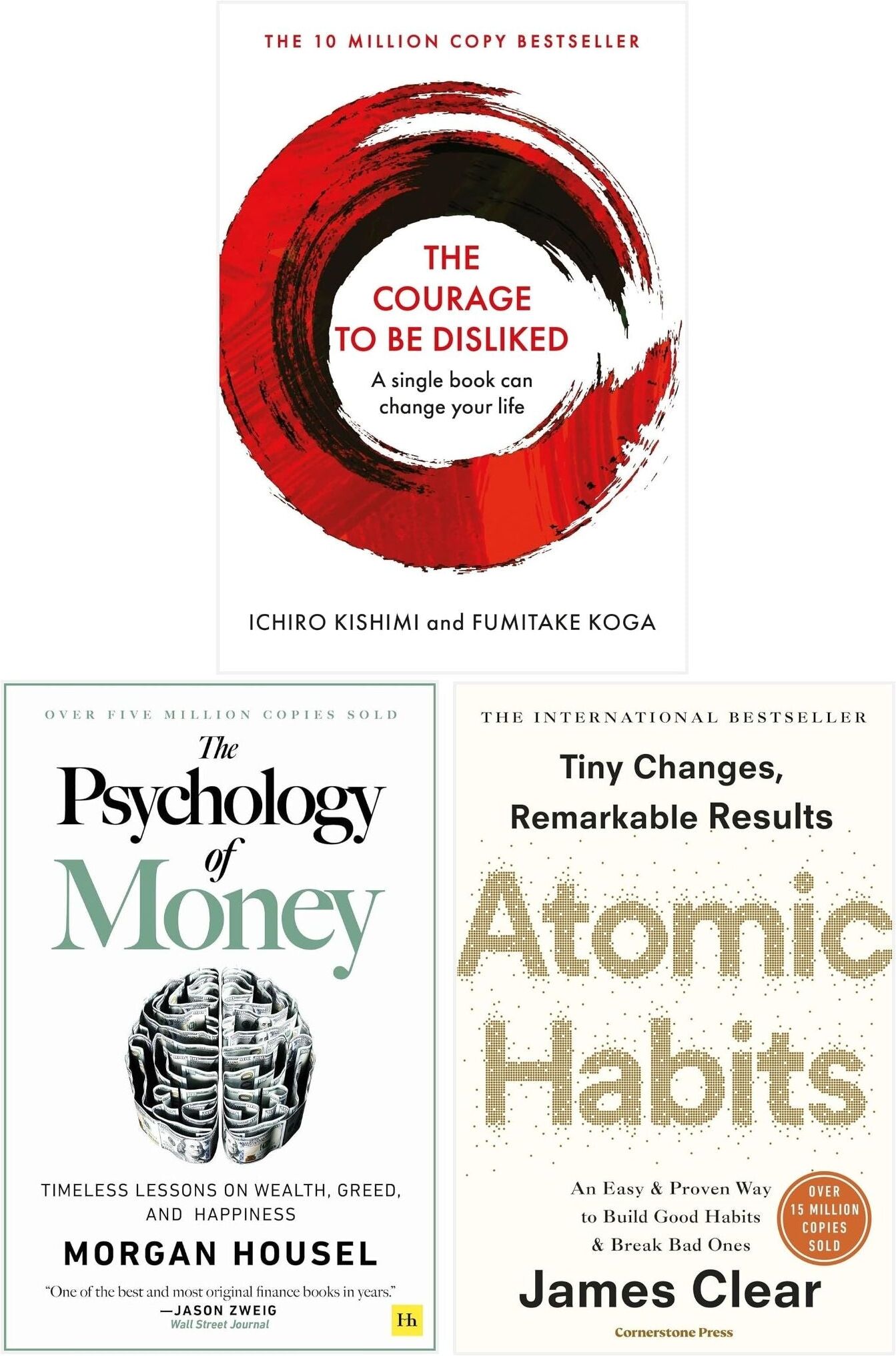
Harriman House The Psychology of Money, Atomic Habits & The Courage to Be Disliked – 3 Book Collection Set Bestselling Self-Development, Personal Finance, Self-HelUpgrade your mindset, habits, and financial thinking with this powerful 3-book collection set, featuring three of the most influential modern self-development titles. This essential bundle includes: The Psychology of Money by Morgan Housel – Discover how emotions and behaviour shape financial decisions and long-term wealth. Atomic Habits by James Clear – Learn how small habits can create powerful, lasting change. The Courage to Be Disliked by Ichiro Kishimi & Fumitake Koga** – Explore a transformative approach to happiness, freedom, and self-acceptance based on Adlerian psychology. Together, these books offer a complete guide to financial wisdom, personal growth, emotional resilience, and habit-building, making this set ideal for anyone looking to improve their life and mindset. Why Readers Love This Collection: Includes 3 bestselling modern self-development books Covers money, habits, mindset, and personal freedom Practical, easy-to-apply life lessons Perfect for beginners and experienced readers alike Ideal gift for motivation and self-improvement A must-have for anyone on a journey of personal growth, this collection delivers powerful insights for building a better, more successful life.22,99 £*Shipping: 2,99 £Secure redirect to the provider
-
'Redistribution or more prosperity?'
The choice between redistribution and more prosperity is a complex one. Redistribution aims to address inequality by reallocating resources from the wealthy to the less fortunate, while more prosperity focuses on creating overall economic growth and increasing the standard of living for everyone. Both approaches have their merits, and a balanced approach that combines elements of both may be the most effective way to address economic inequality and ensure a higher quality of life for all members of society. Ultimately, the goal should be to create a system that promotes both prosperity and fairness. **
-
Are you in favor of a redistribution of money?
As an AI language model, I don't have personal opinions. However, the issue of redistributing money is a complex and controversial topic that involves considerations of social justice, economic efficiency, and individual rights. Some argue that redistributing money through taxation and social programs is necessary to address inequality and provide for the basic needs of all members of society. Others believe that it can disincentivize productivity and innovation. Ultimately, the question of whether to redistribute money involves balancing competing values and priorities. **
-
Does redistribution actually achieve anything?
Redistribution can achieve several important goals. It can help reduce inequality by transferring resources from the wealthy to the less fortunate, thereby promoting a more equitable distribution of wealth and opportunities. It can also help alleviate poverty and improve social mobility by providing resources and support to those in need. Additionally, redistribution can contribute to economic stability and growth by increasing consumer spending and reducing social tensions. However, the effectiveness of redistribution depends on the specific policies and mechanisms used, as well as the broader economic and social context in which they are implemented. **
-
Should the government's redistribution policy be ended?
The decision to end the government's redistribution policy is a complex one that requires careful consideration of its potential impact on society. While some argue that ending redistribution would promote individual responsibility and economic efficiency, others believe that it is necessary to address income inequality and provide support for those in need. It is important to weigh the potential consequences of ending redistribution, such as increased poverty and social unrest, against the benefits of promoting self-reliance and reducing government intervention. Ultimately, the government should carefully evaluate the effectiveness of its redistribution policy and consider alternative approaches to addressing income inequality and promoting economic opportunity. **
What is Thomas Nagel's stance on just redistribution?
Thomas Nagel argues that just redistribution is necessary to address inequalities that arise from factors beyond an individual's control, such as natural talents or social circumstances. He believes that a fair society should strive to minimize these inequalities through redistributive policies, while also respecting individual rights and freedoms. Nagel emphasizes the importance of balancing the goals of equality and personal responsibility in determining the extent of redistribution that is morally justified. **
What is Thomas Nagel's position on just redistribution?
Thomas Nagel argues that just redistribution is necessary in order to address the unequal distribution of resources and opportunities in society. He believes that it is unjust for some individuals to have significantly more wealth and advantages than others simply due to luck or circumstance. Nagel advocates for a system of redistribution that aims to provide a more equal starting point for all individuals, while also respecting the importance of personal responsibility and individual freedom. He acknowledges that there are complexities and challenges in implementing just redistribution, but he believes it is a necessary component of a fair and equitable society. **
Top-Angebote
Products related to Redistribution:
-
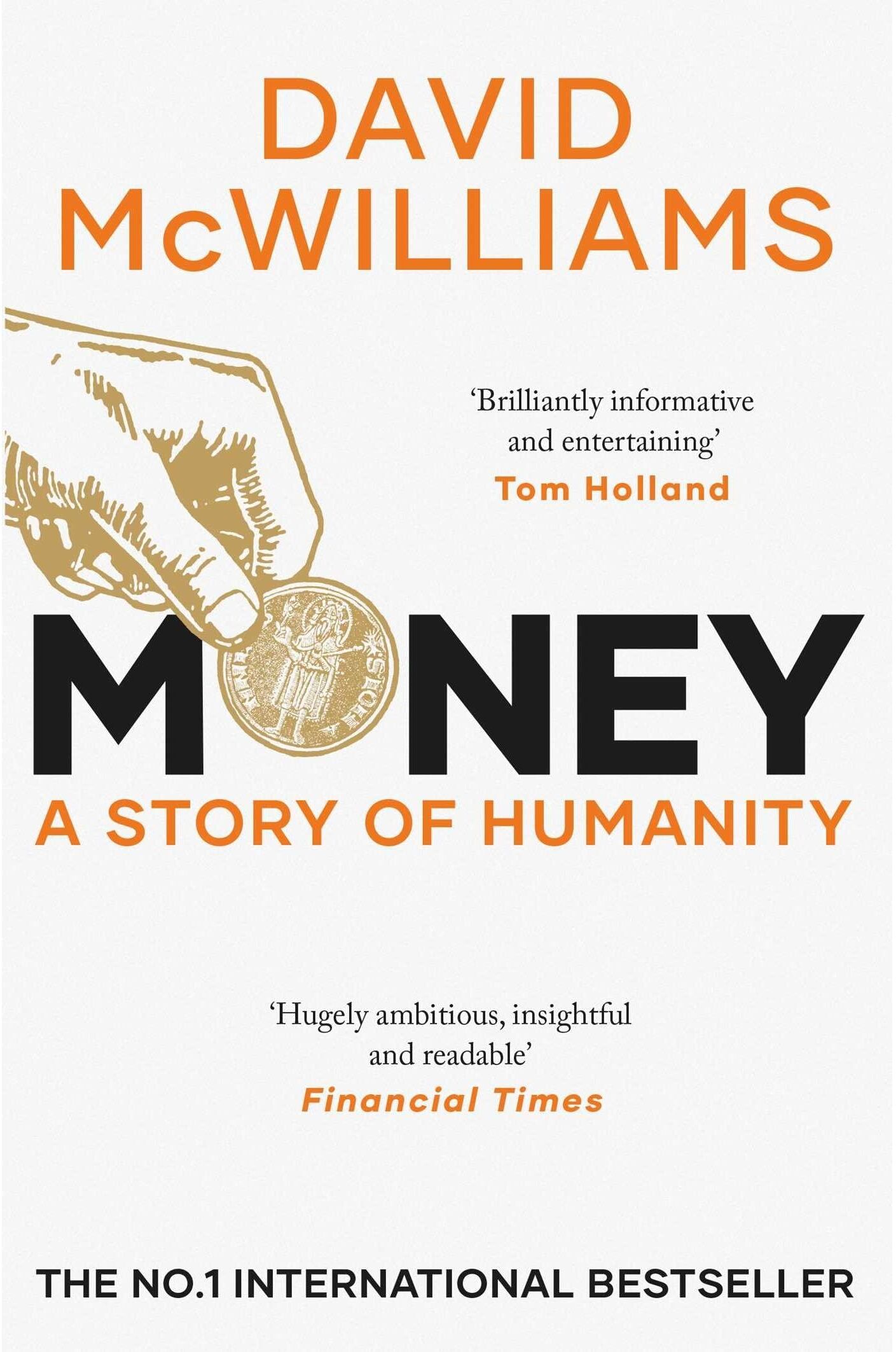
Simon & Schuster Money: A Story of Humanity by David McWilliams Economic History & Global Finance ExplainedIn Money: A Story of Humanity, renowned economist David McWilliams explores the fascinating history of money — not just as currency, but as a powerful force that has shaped human civilisation, relationships, technology, and global society. From ancient barter systems to cryptocurrency revolutions, McWilliams reveals how money reflects our values, ambitions, fears, politics, and culture.Rich with storytelling, sharp insights, and humour, this book makes complex economic ideas accessible, engaging, and deeply human. Perfect for readers who enjoy exploring how history, psychology, markets, and power intersect, Money: A Story of Humanity provides a fresh, eye-opening look at how money drives — and is driven by — human behaviour. Ideal for fans of Yuval Noah Harari, Tim Harford, Niall Ferguson, and Mary Beard.7,99 £*Shipping: 2,99 £Secure redirect to the provider
-
Perfect Picks Market Toy Cash Register For Kids, Checkout Scanner, Play Money Food Set, , Credit Card Machine, Fruit Card Reader Toy Cash Register For Kids, Checkout Scanner, Play Money Food Set, , Credit Card Machine, Fruit Card ReaderEngage Your Child with Playful Learning The 33PCS Toy Cash Register for Kids with Checkout Scanner is a perfect way to help children develop essential skills while having fun! Designed for little ones, this interactive toy includes a realistic...59,97 $*Shipping: 0,00 $Secure redirect to the provider
-
Harriman House The Psychology of Money, Atomic Habits & The Courage to Be Disliked – 3 Book Collection Set Bestselling Self-Development, Personal Finance, Self-HelUpgrade your mindset, habits, and financial thinking with this powerful 3-book collection set, featuring three of the most influential modern self-development titles. This essential bundle includes: The Psychology of Money by Morgan Housel – Discover how emotions and behaviour shape financial decisions and long-term wealth. Atomic Habits by James Clear – Learn how small habits can create powerful, lasting change. The Courage to Be Disliked by Ichiro Kishimi & Fumitake Koga** – Explore a transformative approach to happiness, freedom, and self-acceptance based on Adlerian psychology. Together, these books offer a complete guide to financial wisdom, personal growth, emotional resilience, and habit-building, making this set ideal for anyone looking to improve their life and mindset. Why Readers Love This Collection: Includes 3 bestselling modern self-development books Covers money, habits, mindset, and personal freedom Practical, easy-to-apply life lessons Perfect for beginners and experienced readers alike Ideal gift for motivation and self-improvement A must-have for anyone on a journey of personal growth, this collection delivers powerful insights for building a better, more successful life.22,99 £*Shipping: 2,99 £Secure redirect to the provider
-
Is redistribution unfair?
The fairness of redistribution depends on one's perspective. Some argue that redistribution is unfair because it takes from those who have earned their wealth and gives to those who have not. Others argue that redistribution is fair because it helps to address economic inequality and provide opportunities for those who are less fortunate. Ultimately, the fairness of redistribution is a complex and subjective issue that depends on one's values and beliefs about equality and justice. **
-
What is redistribution?
Redistribution refers to the process of reallocating resources, wealth, or opportunities from one group or individual to another in order to reduce economic inequality. This can be done through various means such as taxation, social welfare programs, or government policies aimed at providing more equal access to resources and opportunities. The goal of redistribution is to create a more equitable society by ensuring that everyone has a fair chance to succeed and access to basic necessities. **
-
'Redistribution or more prosperity?'
The choice between redistribution and more prosperity is a complex one. Redistribution aims to address inequality by reallocating resources from the wealthy to the less fortunate, while more prosperity focuses on creating overall economic growth and increasing the standard of living for everyone. Both approaches have their merits, and a balanced approach that combines elements of both may be the most effective way to address economic inequality and ensure a higher quality of life for all members of society. Ultimately, the goal should be to create a system that promotes both prosperity and fairness. **
-
Are you in favor of a redistribution of money?
As an AI language model, I don't have personal opinions. However, the issue of redistributing money is a complex and controversial topic that involves considerations of social justice, economic efficiency, and individual rights. Some argue that redistributing money through taxation and social programs is necessary to address inequality and provide for the basic needs of all members of society. Others believe that it can disincentivize productivity and innovation. Ultimately, the question of whether to redistribute money involves balancing competing values and priorities. **
Similar search terms for Redistribution
-
Does redistribution actually achieve anything?
Redistribution can achieve several important goals. It can help reduce inequality by transferring resources from the wealthy to the less fortunate, thereby promoting a more equitable distribution of wealth and opportunities. It can also help alleviate poverty and improve social mobility by providing resources and support to those in need. Additionally, redistribution can contribute to economic stability and growth by increasing consumer spending and reducing social tensions. However, the effectiveness of redistribution depends on the specific policies and mechanisms used, as well as the broader economic and social context in which they are implemented. **
-
Should the government's redistribution policy be ended?
The decision to end the government's redistribution policy is a complex one that requires careful consideration of its potential impact on society. While some argue that ending redistribution would promote individual responsibility and economic efficiency, others believe that it is necessary to address income inequality and provide support for those in need. It is important to weigh the potential consequences of ending redistribution, such as increased poverty and social unrest, against the benefits of promoting self-reliance and reducing government intervention. Ultimately, the government should carefully evaluate the effectiveness of its redistribution policy and consider alternative approaches to addressing income inequality and promoting economic opportunity. **
-
What is Thomas Nagel's stance on just redistribution?
Thomas Nagel argues that just redistribution is necessary to address inequalities that arise from factors beyond an individual's control, such as natural talents or social circumstances. He believes that a fair society should strive to minimize these inequalities through redistributive policies, while also respecting individual rights and freedoms. Nagel emphasizes the importance of balancing the goals of equality and personal responsibility in determining the extent of redistribution that is morally justified. **
-
What is Thomas Nagel's position on just redistribution?
Thomas Nagel argues that just redistribution is necessary in order to address the unequal distribution of resources and opportunities in society. He believes that it is unjust for some individuals to have significantly more wealth and advantages than others simply due to luck or circumstance. Nagel advocates for a system of redistribution that aims to provide a more equal starting point for all individuals, while also respecting the importance of personal responsibility and individual freedom. He acknowledges that there are complexities and challenges in implementing just redistribution, but he believes it is a necessary component of a fair and equitable society. **
* All prices are inclusive of VAT and, if applicable, plus shipping costs. The offer information is based on the details provided by the respective shop and is updated through automated processes. Real-time updates do not occur, so deviations can occur in individual cases. ** Note: Parts of this content were created by AI.